New and better medicines already saving and improving lives

RTS,S and R21/Matrix-M are the first vaccines against malaria and, more broadly, against any parasitic disease. Both vaccines stimulate an immune response that prevents malaria infection.

Coartem® Baby is the first approved malaria treatment specifically designed for newborns and young infants weighing 2 to less than 5 kg. It is a dissolvable tablet that can be mixed with breast milk, has a sweet cherry flavour to make administration easier, and delivers precise dosing.
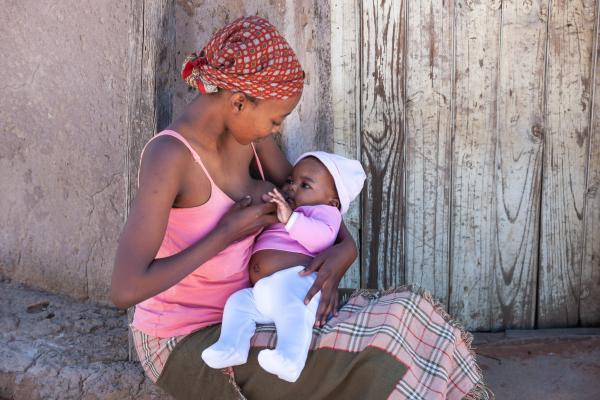
Triomune Baby/Junior became the first fixed-dose combination medicine developed specifically for children with HIV and paved the way for additional improved combination therapies for first- and second-line HIV treatment in children.

This new fixed-dose combination therapy of albendazole/ivermectin targets five types of parasitic worms (four soil-transmitted helminth infections and lymphatic filariasis), which will significantly improve the efficiency and cost-effectiveness of large-scale interventions.

Arpraziquantel is the first child-friendly medicine in an oro-dispersible formulation to treat and cure schistosomiasis. It is easy to administer and adapted for rural and tropical settings, offering high efficacy with minimal side effects.

Fexinidazole Winthrop and Acoziborole Winthrop are two new oral treatments for human African trypanosomiasis (HAT), known as sleeping sickness. Fexinidazole is the first all-oral therapy, while Acoziborole is the first single-dose, one-day treatment for the most common form of the disease.

This new therapy, a single high-dose of liposomal Amphotericin B, is as effective as the traditional week-long regimen, easier to administer, and causes fewer side effects. It is now the WHO-recommended therapy for cryptococcal meningitis.

Dihydroartemisinin-piperaquine (DHAPQ) is an artemisinin-based combination therapy (ACT) used to treat uncomplicated malaria.
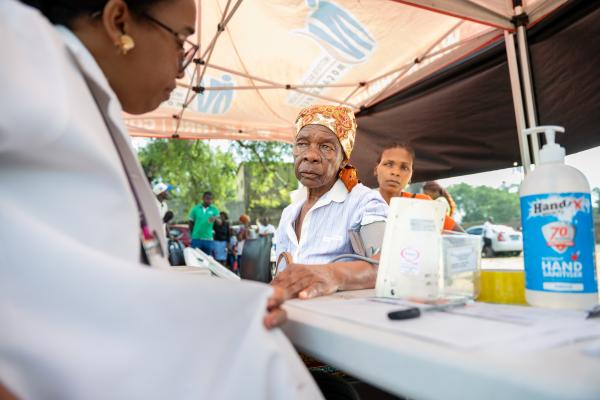
Molbio Truenat, with MTB-Plus and RIF-Dx assays, is a portable, battery-powered molecular diagnostic tool for tuberculosis (TB) testing directly in primary health care settings.

Pyramax® and Eurartesim® are two established antimalarial medicines whose safety and efficacy have been progressively expanded through EDCTP-supported research to reach more patient groups who lack specific treatments, such as children, pregnant women, and patients requiring re-treatment.