What it is
Moxidectin is an oral medicine for onchocerciasis, also known as river blindness. It was first approved by the US FDA in 2018 for people aged 12 and older.[1] Research co-funded through EDCTP2 and continued under Global Health EDCTP3 has since extended its use to children as young as four and generated the safety evidence needed for repeated community-wide dosing.[2]
Why it matters
Onchocerciasis remains a major public health burden. In 2024, at least 252 million people needed preventive treatment, with over 99% of cases in Africa.[3] The disease causes severe itching and disfiguring skin conditions and can lead to permanent blindness.
Ivermectin has been the mainstay of mass treatment for decades, but it does not kill adult worms and cannot be safely used in areas affected by Loa loa, leaving around 15 million people untreated.[4] Moxidectin reduces the number of larvae more effectively and suppresses them for longer.[5]

The story
Moxidectin was developed for onchocerciasis through a World Health Organization-Wyeth/Pfizer collaboration back in the 1990s. After Pfizer withdrew in 2011, WHO continued its development before licensing the data to Medicines Development for Global Health (MDGH) in 2014, which completed the regulatory work. In 2018, the US FDA approved moxidectin as a single dose treatment for people aged twelve and older.[1]
However, this first approval was not enough to support elimination programmes. Countries needed evidence on treating younger children, on repeated annual or biannual dosing, and on safety across whole communities. To close these gaps, EDCTP2 funded the MoxiMultiDoseMod project in the Democratic Republic of the Congo and Ghana.[2]
In the Democratic Republic of the Congo, a Phase IIIb trial compared annual and biannual dosing of moxidectin against ivermectin over three years. In addition, a large safety study, also covering Côte d’Ivoire thanks to funding from the Gates Foundation, gathered evidence closer to real mass-treatment conditions.[2] In Ghana, a Phase I trial, sponsored and mainly co-funded by MDGH, identified suitable doses for children aged four to eleven.[6]
A complementary project, MiniMox, jointly funded by EDCTP2 and MDGH in Cameroon and Ghana, developed a paediatric-friendly formulation for children who struggle to swallow the existing tablet.[7]
The paediatric data from Ghana supported two regulatory milestones. In December 2024, the Ghana Food and Drugs Authority approved moxidectin for adults and children aged four and older, making Ghana the first river blindness-endemic country to register the medicine.[8] In February 2025, the US FDA extended its own approval to children aged four to eleven weighing at least 13 kilograms.[9] Together, this evidence base contributed to the addition of moxidectin to the WHO Essential Medicines List and the Essential Medicines List for Children in 2025.[10][11]
Ghana’s approval cleared the way for the first real-world community use of moxidectin. In January 2025, the Ghana Health Service began distributing the medicine in the Twifo Atti-Morkwa district. Over three years, community volunteers have been distributing moxidectin door to door every six months.[12]
Global Health EDCTP3 is now building on this evidence through the EMINENCE project, running in Cameroon and the Republic of Congo until 2030. A Phase IIIb trial is comparing annual and biannual moxidectin with ivermectin in areas of persistently high transmission. A separate Phase II trial is testing progressively higher doses of moxidectin in people with progressively higher levels of Loa loa infection, to identify a dose that could safely be used in co-endemic areas.[3]
Affordable access
Medicines Development for Global Health (MDGH) is a not-for-profit company. It has committed to supplying moxidectin tablets to low- and middle-income countries at cost, without profit.[9]
Since moxidectin can be delivered through the same community-directed treatment structures already used for ivermectin, it does not require new distribution networks.
Economic modelling suggests that, despite a higher price per dose, moxidectin-based strategies could reduce overall programme costs by shortening the number of years of mass campaigns.[13]
Sources:
[1] Our work - Medicines | Medicines Development for Global Health
[2] MoxiMultiDoseMod: Accelerating elimination of river blindness | EDCTP
[3] EMINENCE project | Global Health EDCTP3
[4] Onchocerciasis (river blindness) – Fact sheet | WHO
[5] Milton, P., Hamley, J. I. D., Walker, M., & Basáñez, M. G. (2020). Moxidectin: an oral treatment for human onchocerciasis. Expert Review of Anti-Infective Therapy, 18(11), 1067–1081. https://doi.org/10.1080/14787210.2020.1792772
[6] Opoku NO, Doe F, Agbogah ME, Laryea R, Gordor SK, Donkor BS, Anyomitse E, Kugali D, van Zutphen-van Geffen M, Navarro DJ, Rayner CR, Patel K, Kuesel AC, Lowe M, Kinrade S. Identification of a moxidectin dose for 4- to 11-year-old children to support registration and potential use for onchocerciasis elimination: results of an open-label pharmacokinetic and safety study. Parasit Vectors. 2025 Jul 24;18(1):295. doi: 10.1186/s13071-025-06891-z. PMID: 40707999; PMCID: PMC12291498.
[7] MiniMox project
[8] Ghana becomes first river blindness-endemic country to approve moxidectin | MDGH
[10] WHO Model List of Essential Medicines, 23rd list (2025) | WHO
[11] WHO Model List of Essential Medicines for Children, 9th list (2025) | WHO
[12] Ghana rolls out moxidectin, a new treatment for river blindness | MDGH
[13] Hugo C Turner, Klodeta Kura, Barbara Roth, Annette C Kuesel, Sally Kinrade, Maria-Gloria Basáñez, An Updated Economic Assessment of Moxidectin Treatment Strategies for Onchocerciasis Elimination, Clinical Infectious Diseases, Volume 78, Issue Supplement_2, 15 May 2024, Pages S138–S145, https://doi.org/10.1093/cid/ciae054


Related links
New and better medical solutions already saving and improving lives
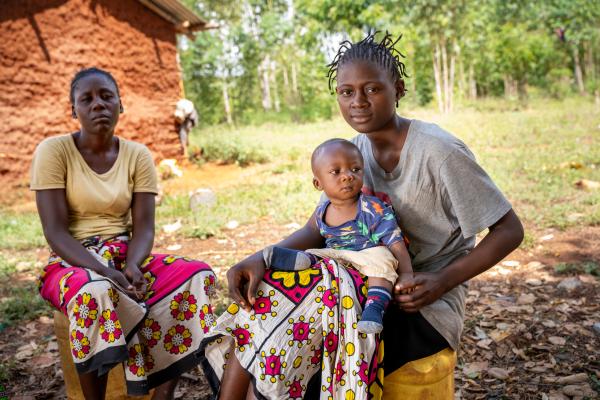
RTS,S and R21/Matrix-M are the first vaccines against malaria and, more broadly, against any parasitic disease. Both vaccines stimulate an immune response that prevents malaria infection.
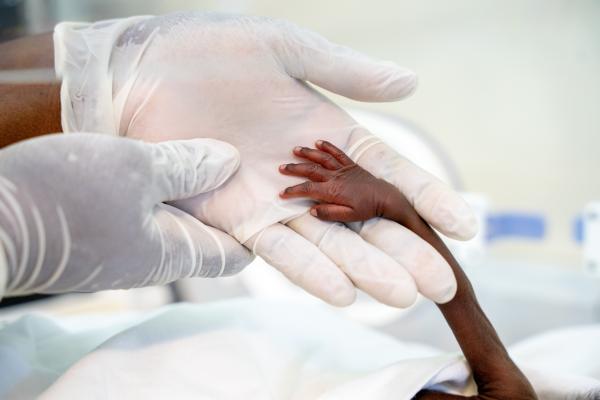
Coartem® Baby is the first approved malaria treatment specifically designed for newborns and young infants weighing 2 to less than 5 kg. It is a dissolvable tablet that can be mixed with breast milk, has a sweet cherry flavour to make administration easier, and delivers precise dosing.
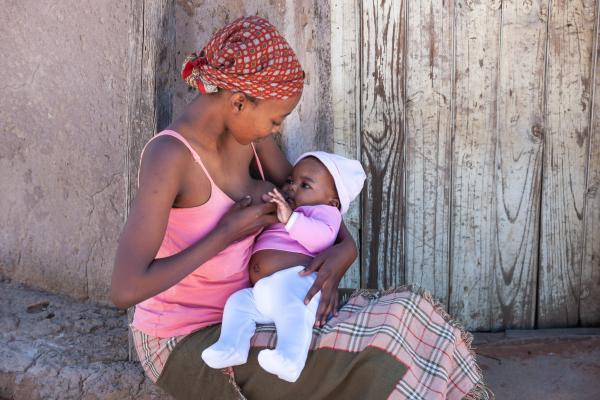
Triomune Baby/Junior became the first fixed-dose combination medicine developed specifically for children with HIV and paved the way for additional improved combination therapies for first- and second-line HIV treatment in children.

This new fixed-dose combination therapy of albendazole/ivermectin targets five types of parasitic worms (four soil-transmitted helminth infections and lymphatic filariasis), which will significantly improve the efficiency and cost-effectiveness of large-scale interventions.
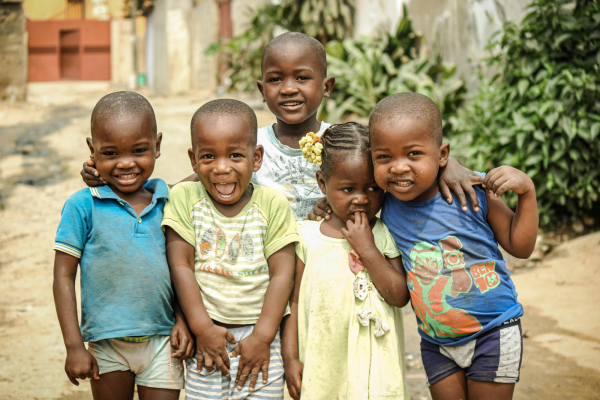
Arpraziquantel is the first child-friendly medicine in an oro-dispersible formulation to treat and cure schistosomiasis. It is easy to administer and adapted for rural and tropical settings, offering high efficacy with minimal side effects.
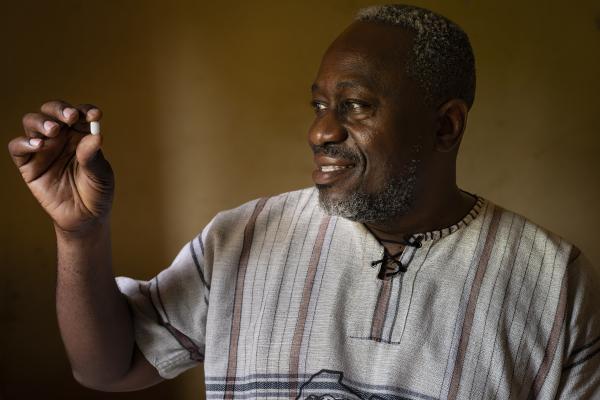
Fexinidazole Winthrop and Acoziborole Winthrop are two new oral treatments for human African trypanosomiasis (HAT), known as sleeping sickness. Fexinidazole is the first all-oral therapy, while Acoziborole is the first single-dose, one-day treatment for the most common form of the disease.
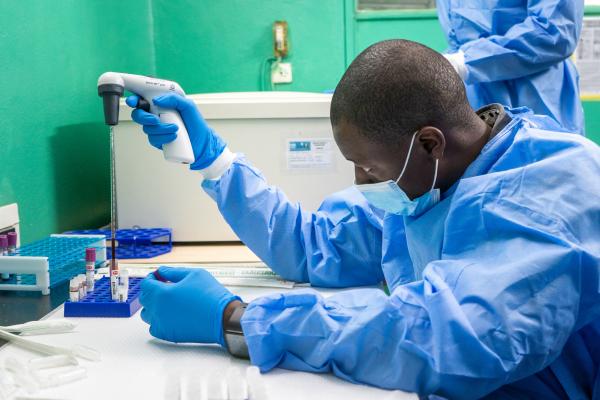
This new therapy, a single high-dose of liposomal Amphotericin B, is as effective as the traditional week-long regimen, easier to administer, and causes fewer side effects. It is now the WHO-recommended therapy for cryptococcal meningitis.
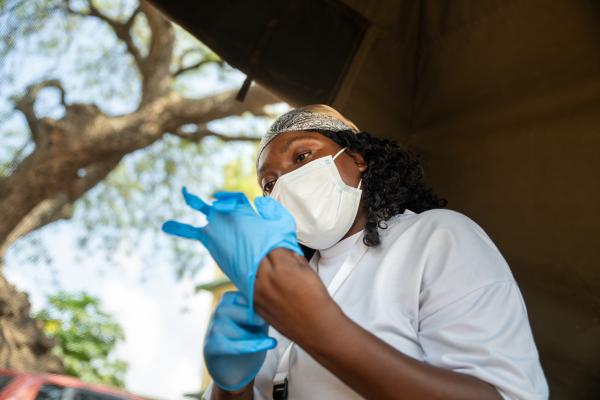
A simple, three-part package combining screening, preventive treatment and community adherence support significantly cuts deaths among people starting HIV treatment with advanced disease.
Eurartesim® is a fixed-dose artemisinin-based combination therapy (ACT) containing dihydroartemisinin-piperaquine (DHAPQ) for the treatment of uncomplicated malaria.
Molbio Truenat, with MTB-Plus and RIF-Dx assays, is a portable, battery-powered molecular diagnostic tool for tuberculosis (TB) testing directly in primary health care settings.
Pyramax® is an established antimalarial medicine whose safety and efficacy have been progressively expanded through EDCTP-supported research to reach more patient groups who lack specific treatment options, including children, pregnant women and patients requiring re-treatment.

The PredART trial showed that prednisone, a common and inexpensive steroid drug used to treat Tuberculosis-Associated Immune Reconstitution Inflammatory Syndrome (TB-IRIS), can also be used to prevent it.
A three-drug antiretroviral regimen given to HIV-positive women in late pregnancy and through breastfeeding cuts HIV transmission to babies safely, without requiring mothers to stop breastfeeding.

Moxidectin is an oral medicine for onchocerciasis, also known as river blindness. It was first approved by the US FDA in 2018 for people aged 12 and older. Research co-funded through EDCTP2 and continued under Global Health EDCTP3 has since extended its use to children as young as four.
Our added value for Europe

EDCTP boosts Europe’s competitiveness by advancing research excellence, innovation, and public–private cooperation in global health. By supporting late-stage development and Africa–Europe partnerships, it bridges the EU innovation gap and creates new market and investment opportunities.

EDCTP strengthens Europe’s health security by tackling climate-sensitive diseases and antimicrobial resistance, enhancing surveillance, and accelerating medical countermeasures. Its rapid crisis responses, from Ebola to COVID-19, show its agility in protecting Europe and global health.

EDCTP drives Europe’s science diplomacy through fair Africa–Europe partnerships that tackle global health challenges. Its equitable governance and ethical research practices strengthen EU credibility and global influence.
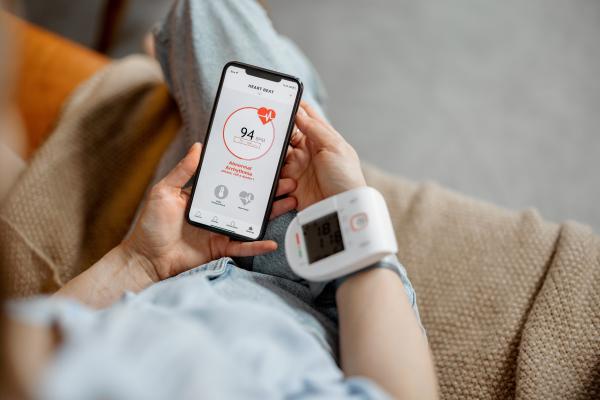
EDCTP strengthens Europe’s leadership in digital health by investing in AI, data, and digital technologies while training researchers in fields like bioinformatics and genomic epidemiology.

EDCTP advances the EU’s human rights goals by promoting ethical, inclusive research that addresses unmet medical needs. It ensures innovations reach vulnerable populations while strengthening local scientific and health systems.
Our added value for Africa

EDCTP improves health and prosperity in Africa by funding clinical research, strengthening local capacities, and empowering African scientists. Its investments reduce the burden of infectious diseases, boost productivity, and support sustainable development across the continent.
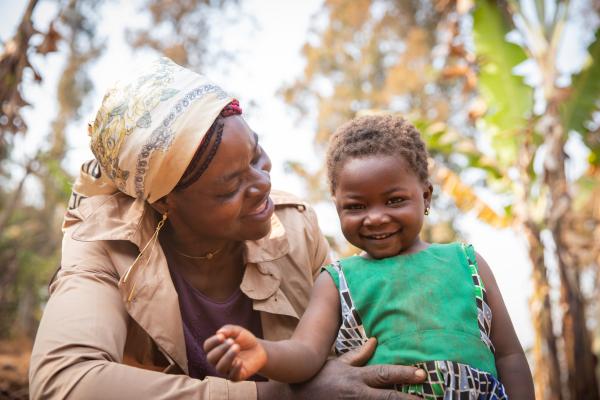
EDCTP builds Africa’s capacity to detect, prevent, and respond to outbreaks through training, research, and strong partnerships. Its work accelerates vaccine and diagnostic development and reinforces the continent’s health resilience.

EDCTP strengthens Africa’s clinical research ecosystem by investing in skills, infrastructure, and regulatory systems. Initiatives like CTCAN and PACTR connect researchers and regulators, expanding quality trials and fostering local leadership.

EDCTP strengthens Africa-led health partnerships with organisations like Africa CDC and WHO AFRO, aligning research and investment with continental priorities. As an AU–EU Innovation Agenda partner, it builds skills, fosters co-investment, and drives sustainable cooperation.
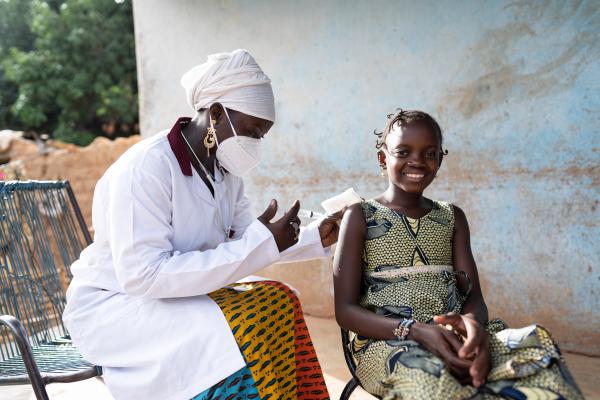
EDCTP promotes health equity by developing practical solutions for underserved communities, including newborns and children, women, urban poor and rural communities. It funds accessible technologies and digital tools that expand healthcare reach and improve outcomes for those most in need.