
Community-based screening and preventive treatment are showing strong results in reducing leprosy transmission. The disease remains a public health concern in several sub-Saharan African countries and, while rarely fatal, continues to cause severe disability and stigma within communities.
By the end of November 2025, the PEP4LEP and PEP4LEP 2.0 projects had screened more than 36,531 people who had been in close contact with someone affected by leprosy in Ethiopia, Mozambique and Tanzania. Following screening, 32,750 people (90%) received preventive treatment, half (50%) were found to have skin diseases, and 611 people were diagnosed with leprosy.
Building on the PEP4LEP project launched in 2018 and funded by EDCTP2 and the Leprosy Research Initiative (LRI), the Global Health EDCTP3-funded PEP4LEP 2.0 project, which started in 2024, compares two models for delivering preventive leprosy treatment in Ethiopia, Mozambique and Tanzania.
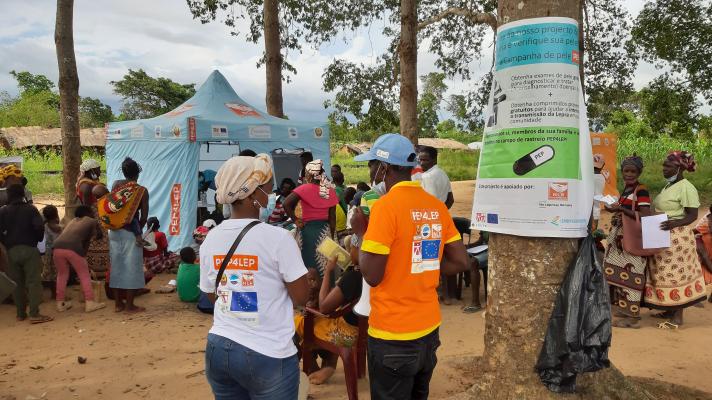
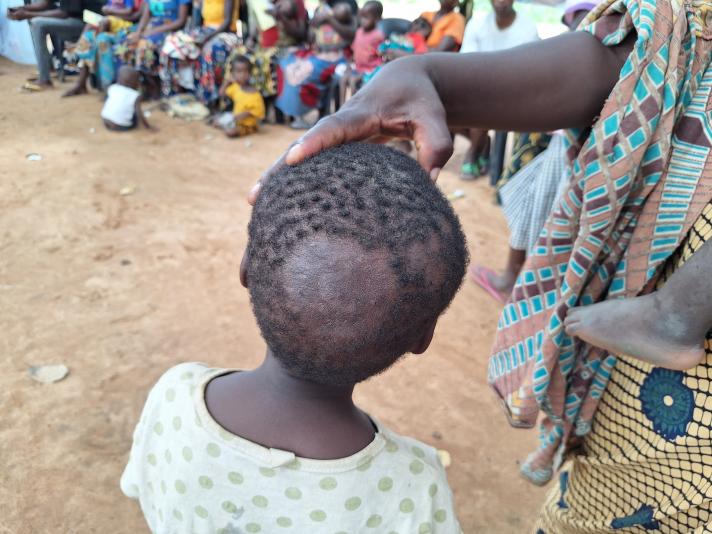
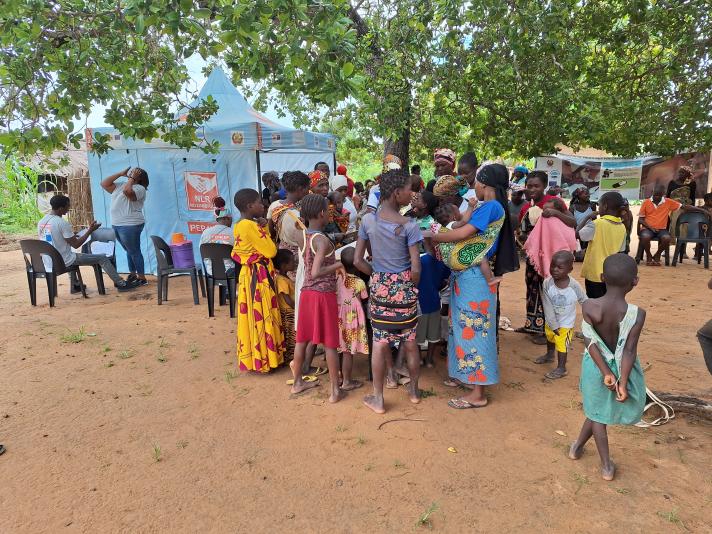
In one model, health teams set up temporary skin clinics (skin camps) within communities, where people who have been in close contact with someone affected by leprosy are checked for the disease and other skin conditions and, if appropriate, given treatment, through a preventive single-dose rifampicin post-exposure prophylaxis (SDR-PEP). In the other model, which links closely to routine care, the checks take place in health centres, where close contacts are invited for screening and, when eligible, receive the same preventive treatment.
‘Leprosy and other skin conditions have a major impact on people’s lives in many countries in sub-Saharan Africa. As countries have so few specialist dermatologists, it is vital that we find ways to deliver effective disease prevention and care close to the communities.’
Dr Nelly Mwageni, dermatologist and PEP4LEP PhD candidate, Catholic University of Health and Allied Sciences (CUHAS), Tanzania
A single dose of rifampicin post-exposure prophylaxis (SDR-PEP) has been proven to reduce the risk of developing leprosy by nearly 60% when administered to contacts of people affected by leprosy. While this approach has proven to be highly effective and is currently recommended by the World Health Organization (WHO), little is known about the most feasible method to deliver it within health systems in sub-Saharan Africa.
‘We know that post exposure prophylaxis works for preventing leprosy, but we need to identify the best way to deliver it to the communities. If we can do that, we can prevent many cases, and hopefully also have a wider impact on the care of common skin conditions.’
Dr Kidist Bobosha, PEP4LEP 2.0 Principal Investigator, Scientific Project Lead and senior researcher, Armauer Hansen Research Institute (AHRI), Ethiopia
The main goal of the project is to compare the effectiveness of the two models in detecting new leprosy cases and reducing delays in diagnosis to find the best way to prevent leprosy transmission, while assessing cost-effectiveness, modelling long-term impact and analysing acceptability among healthcare workers and communities.
‘The PEP4LEP 2.0 project includes countries with a high burden of leprosy, but also different healthcare systems. By examining issues relating to implementation in different settings, we can identify the full range of factors likely to affect the success of implementation of new models of care.’
Dr Anne Schoenmakers, Project Coordinator, Medical Advisor and Researcher at NLR - until No Leprosy Remains, The Netherlands
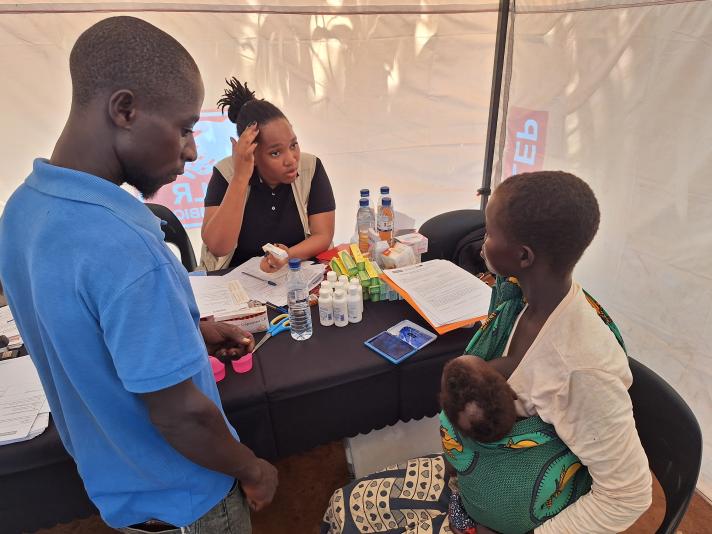
Another important aspect of the projects is capacity strengthening for healthcare workers and junior researchers. The NLR SkinApp, developed by NLR and Appelit, is a mobile phone application used in both projects to support frontline healthcare workers in diagnosing skin diseases, including leprosy and other skin NTDs, and as a tool for dermatological learning. The app was validated as part of PEP4LEP and has recently been adopted by the WHO. An article on the educational aspects of the Tanzanian skin camps for healthcare workers was published last December by Mwageni et al. in the Community Skin Health Journal.
Achievements by country
Ethiopia
Since the start of PEP4LEP 2.0 in April 2024, the team in Ethiopia has organised 37 skin camps, screening 3,848 contacts of people affected by leprosy and providing preventive rifampicin treatment to 3,430 eligible contacts (89%). Among those screened, 1,373 people (36%) were found to have skin diseases, including 24 new leprosy cases. In addition, 20 leprosy patients and 81 contacts took part in the health centre-based intervention, with 74 (91%) receiving treatment. Four contacts had skin diseases, including one new leprosy case.
Mozambique
Mozambique has organised 85 skin camps during the PEP4LEP 2.0 project from April 2024 onwards. A total of 8,151 contacts were included in these skin camps and 7,131 (87%) were eligible to receive SDR-PEP. During the skin camps, 4,629 (57%) people were diagnosed with skin diseases of whom 217 (3%) had leprosy. The health centre intervention enrolled 100 people with leprosy, screening 541 of their contacts, of whom four were diagnosed with leprosy. In total, 514 contacts took preventive leprosy treatment.
Tanzania
The Tanzanian team has organised 36 skin camps within PEP4LEP 2.0 since April 2024, through which they enrolled 3,462 contacts. After screening, 3,031 (88%) were eligible to receive treatment for leprosy. In total, 2,316 people (67%) were detected with skin diseases, 137 (4%) were new leprosy patients. In the health centre intervention, 41 leprosy cases were enrolled and 77 of their contacts were screened and all except for one were eligible for treatment. No new leprosy patients were detected in this intervention, but 14 household contacts were diagnosed and treated for other skin diseases.
- Publication date
- 25 January 2026
- Author
- Global Health EDCTP3 Joint Undertaking