Why does affordable access matter to Global Health EDCTP3?
Affordable access is a core pillar of Global Health EDCTP3. It ensures that the clinical breakthroughs we fund reach the populations they are designed to protect.
Poverty-related infectious diseases affect sub-Saharan Africa disproportionately, and high prices can put life-saving diagnostics, vaccines and treatments out of reach in markets that are commercially unattractive or hard to serve. Affordable access is how we make sure medical solutions translate into real-world impact.
How does Global Health EDCTP3 ensure affordable access?
Our founding regulation requires that products and services developed using the results of our funded clinical studies be made available and accessible to the public on fair and reasonable terms.
This obligation is put into practice in two ways:
The Access Plan. Research and Innovation Actions (RIAs) must submit a formal, publicly available Access Plan as a project deliverable, setting out how results, such as vaccines or diagnostics, will reach the market affordably in low-resource settings. Projects are encouraged to use strategies such as tiered pricing, non-exclusive licensing, price caps, and technology transfer to regional manufacturers, helping build local production capacity in Africa and shorten supply chains.
- Additional exploitation obligations. For up to four years after a project ends, participants must use their best efforts to make resulting health technologies broadly available at fair and reasonable conditions. If results are not exploited within a year, participants must use the Horizon Results Platform to find interested parties. If these obligations cannot be fulfilled, Global Health EDCTP3 can request the granting of non-exclusive licences to organisations that commit to rapidly and broadly exploiting the resulting health technologies and services and to ensuring that they are broadly available and accessible, as soon as possible and under fair and reasonable conditions. These obligations carry over if ownership of the results changes hands.
How does Global Health EDCTP3 follow up on these measures?
Our oversight of the projects’ outcomes continues into further development, market entry and commercialisation. For up to four years after a project ends, Research and Innovation Actions (RIAs) must report annually on the development status and exploitation of their results, so we can check the Access Plan is actually being implemented as products move towards the market.
As part of these legal obligations, the project coordinator must submit an annual report on each anniversary of the grant agreement's end.
How to submit the annual report after the project ends
The project coordinator must submit an annual report on each anniversary of the grant agreement's end (up to four years, i.e., four reports). This must be done through a Formal Notification (FNCO) in the EU Funding and Tenders Portal.
Title: [Project ID] [Project Acronym] Annual report after project end [1/2/3/4]
Business context: Standard Formal Notification
Visibility: All
Upload attachments: Report following Global Health EDCTP3 template, as well as any relevant attachments
We also fund Coordination and Support Actions (CSAs) that strengthen national and regional regulatory bodies. By building the capacity of these bodies to review and approve products, we help ensure access is not blocked by administrative backlogs.
Affordable access in practice
Affordable access takes different forms depending on the product and the market. Below is how it works for medical solutions developed with support from EDCTP programmes.
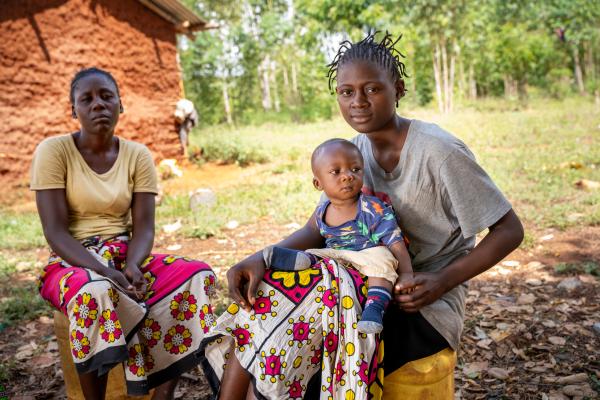
RTS,S/AS01 is expected to reduce its price from €9.30 per dose to below US$5 per dose by 2028 through GSK and Bharat Biotech efforts.
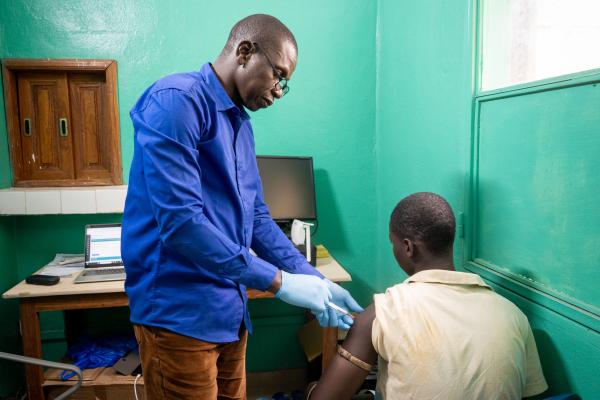
R21/Matrix-M is available at a reduced price of US$2.99 per dose following a Gavi-UNICEF agreement.
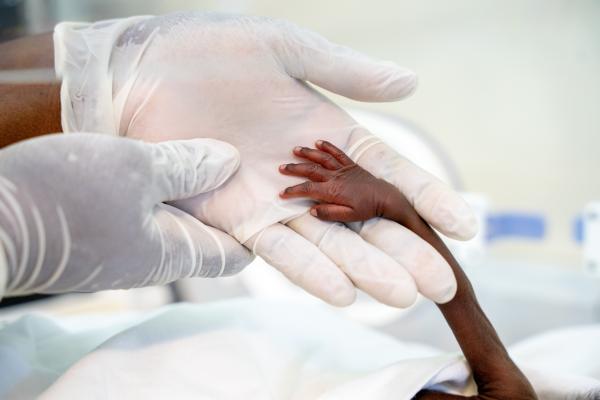
Novartis supplies the treatment on a largely not-for-profit basis in malaria-endemic regions.
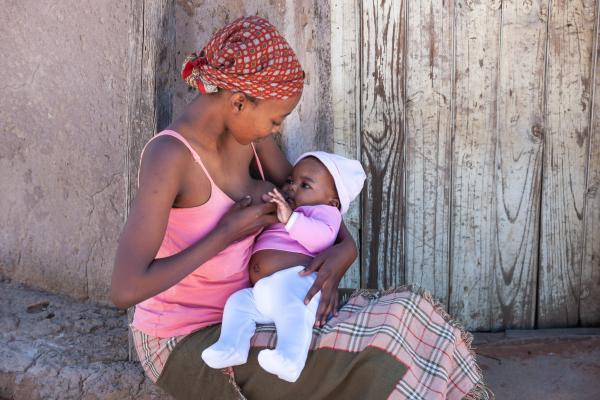
Multi-year supplier agreements negotiated by Unitaid and CHAI cut paediatric antiretroviral prices by 80% across 40 countries.

With no donation mechanism planned, sustainable financing and supply pathways are being mapped ahead of the medicine's introduction.

Arpraziquantel will not be donated. Manufacturing has been transferred to Brazil and Kenya to build regional production capacity and lower costs.

Sanofi donates both medicines to WHO, which distributes them free of charge through national control programmes.
Preferential pricing has fallen short in practice, so efforts now focus on bringing quality-assured generic versions to market.

Global Fund Access Funds subsidise the treatment for countries diversifying away from a single first-line therapy.
Joint negotiation by Stop TB Partnership, USAID, the Global Fund and Molbio Diagnostics brought the price down to US$7.90 per test.
The Global Fund’s Pooled Procurement Mechanism helps countries procure Pyramax® at negotiated prices.
Prednisone is a widely available, inexpensive generic drug.
Access is not automatic: some of these products still face real affordability barriers, and closing those gaps is part of our ongoing work.
Resources
For more information and to strengthen your own affordable access measures, whether or not you are a Global Health EDCTP3-funded project, explore the resources below:
- Disseminating and exploiting results: A practical starter kit to help research and innovation projects maximise the impact of their results through dissemination and exploitation activities.
- Communication, dissemination & exploitation: A short guide to these three related concepts and the EU tools that support each one.
- Open Research Europe: An open-access publishing platform for Horizon Europe beneficiaries, with open peer review.
- Horizon Results Platform: Showcase your research results, find collaborators, and get inspired by others' work.
- Booster: Free consulting services covering dissemination and exploitation strategy, business planning and go-to-market support.
- Horizon Standardisation Booster: Dedicated support to help Horizon Europe and Horizon 2020 projects valorise results through standardisation.
- Innovation Radar: connecting EU-funded innovators with investors and policymakers to help high-potential innovations reach the market.