What it is
Eurartesim® is a fixed-dose artemisinin-based combination therapy (ACT) containing dihydroartemisinin-piperaquine (DHAPQ) for the treatment of uncomplicated malaria.
It combines two complementary medicines:
- Dihydroartemisinin, a fast-acting antimalarial that quickly clears parasites from the bloodstream.
- Piperaquine, a long-acting partner drug that eliminates residual parasites and protects against reinfection for several weeks after treatment.
The combination provides a simple three-day treatment regimen that is highly effective and reduces the risk of recurrent infections.
Why it matters
Malaria remains one of the world’s deadliest infectious diseases, particularly among children under five in sub-Saharan Africa, where it is still a leading cause of child mortality.[1] When uncomplicated malaria is left untreated or inadequately treated, it can rapidly progress to severe disease and death.
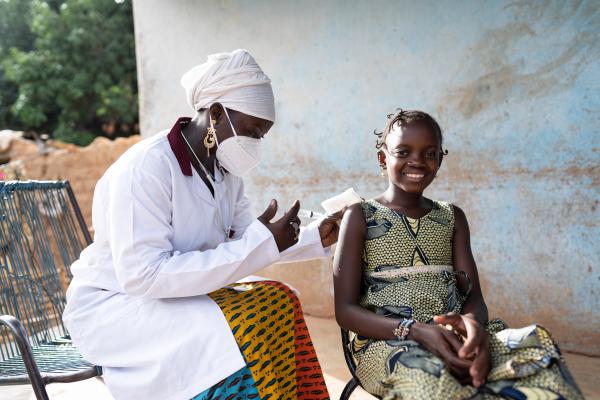
Eurartesim® helps address critical gaps in malaria treatment by providing a well-tolerated, easy-to-administer therapy that reduces both treatment failure and recurrent infections. It is suitable for children, who remain among the most vulnerable to malaria.

The story
For years, malaria treatment faced two major challenges: drug resistance and complex dosing regimens that made adherence difficult, especially for children. Fixed-dose ACTs such as DHAPQ address these challenges by combining two complementary medicines in a single treatment, ensuring that patients receive the appropriate ratio of both drugs with each dose.
Supported by extensive clinical research, DHAPQ demonstrated high efficacy and good tolerability, with its long-acting piperaquine component providing extended post-treatment protection and helping reduce recurrent infections.
Through EDCTP funding, researchers conducted clinical trials to assess the safety, optimal dosing and side effects of DHAPQ, particularly in vulnerable populations including young children across sub-Saharan Africa and people living with HIV.[2][3] These studies generated essential evidence supporting the safe and effective use of the treatment and contributing to WHO recommendations.[4]
The research also contributed to the regulatory pathway for Eurartesim®. In 2011, the European Medicines Agency (EMA) issued a positive opinion on Eurartesim® for the treatment of uncomplicated Plasmodium falciparum malaria, which was followed by an EU marketing authorisation.[5] The medicine has subsequently become an established treatment option for uncomplicated malaria.
Today, DHAPQ is recommended by WHO as an ACT for uncomplicated P. falciparum malaria, and Eurartesim® is WHO-prequalified.[6] The combination is used across Africa and Asia and has been adopted as a second-line therapy in countries such as Ghana, where studies have reported efficacy rates above 90% in children under routine use.[7]
Affordable access
Dihydroartemisinin-piperaquine is currently around three to four times more expensive than artemether-lumefantrine, the most widely used ACT in sub-Saharan Africa. Limited availability of quality-assured child-friendly DHAPQ formulations and a small supplier base reduce competition, contributing to higher prices.[4][8]
The Global Fund is providing Access Funds to support countries adopting alternative ACTs, and the Gates Foundation, MedAccess and Medicines for Malaria Venture are working with manufacturers to expand supply and reduce costs.[9]
Sources:
[1] Despite being preventable and treatable, malaria is the leading cause of child mortality in much of Sub-Saharan Africa | Our World in Data
[2] Malaria treatment – The 4ABC study | EDCTP
[4] A Head-to-Head Comparison of Four Artemisinin-Based Combinations for Treating Uncomplicated Malaria in African Children: A Randomized Trial | PLoS
[5] European Medicines Agency recommends new malaria treatment for approval | European Medicines Agency
[6] Prequalification of Medical Products – MA093 (Eurartesim®) | WHO
[7] Abuaku B, Boateng P, Peprah NY, et al. (2023), Therapeutic efficacy of dihydroartemisinin-piperaquine combination for the treatment of uncomplicated malaria in Ghana | Frontiers
[8] Pooled Procurement Mechanism Reference Pricing: Antimalarial medicines | The Global Fund



Related links
New and better medicines already saving and improving lives
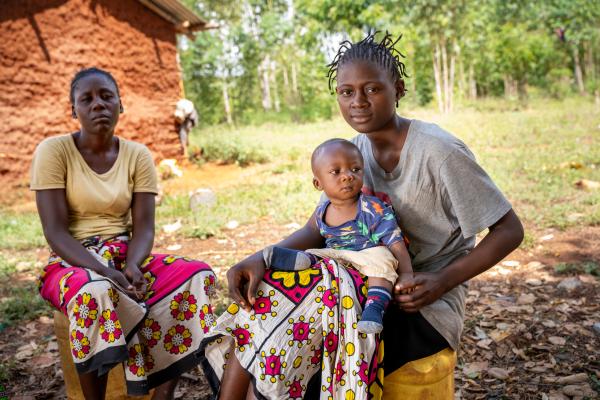
RTS,S and R21/Matrix-M are the first vaccines against malaria and, more broadly, against any parasitic disease. Both vaccines stimulate an immune response that prevents malaria infection.
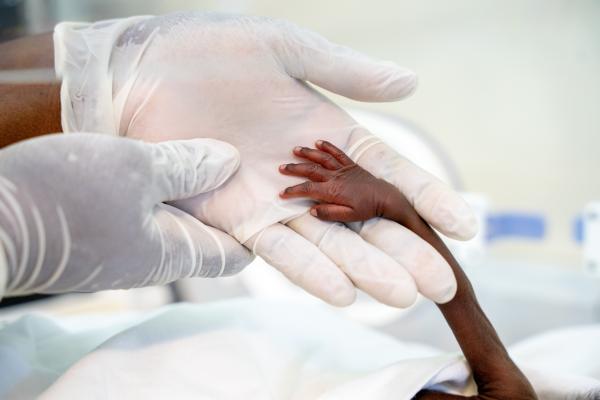
Coartem® Baby is the first approved malaria treatment specifically designed for newborns and young infants weighing 2 to less than 5 kg. It is a dissolvable tablet that can be mixed with breast milk, has a sweet cherry flavour to make administration easier, and delivers precise dosing.
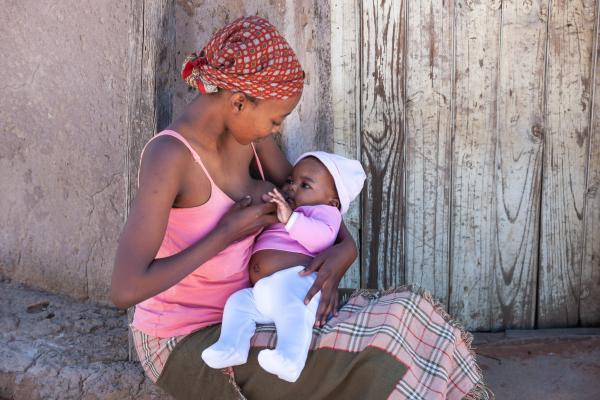
Triomune Baby/Junior became the first fixed-dose combination medicine developed specifically for children with HIV and paved the way for additional improved combination therapies for first- and second-line HIV treatment in children.

This new fixed-dose combination therapy of albendazole/ivermectin targets five types of parasitic worms (four soil-transmitted helminth infections and lymphatic filariasis), which will significantly improve the efficiency and cost-effectiveness of large-scale interventions.

Arpraziquantel is the first child-friendly medicine in an oro-dispersible formulation to treat and cure schistosomiasis. It is easy to administer and adapted for rural and tropical settings, offering high efficacy with minimal side effects.

Fexinidazole Winthrop and Acoziborole Winthrop are two new oral treatments for human African trypanosomiasis (HAT), known as sleeping sickness. Fexinidazole is the first all-oral therapy, while Acoziborole is the first single-dose, one-day treatment for the most common form of the disease.
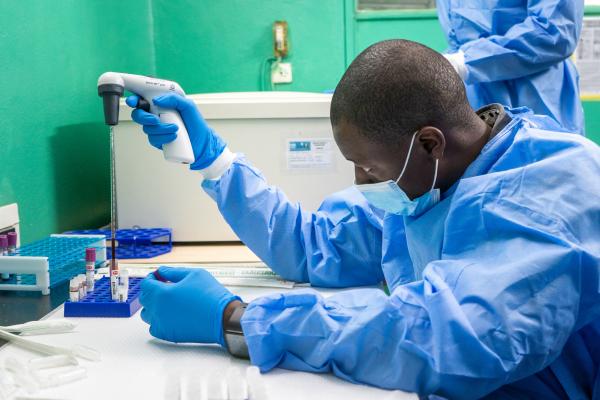
This new therapy, a single high-dose of liposomal Amphotericin B, is as effective as the traditional week-long regimen, easier to administer, and causes fewer side effects. It is now the WHO-recommended therapy for cryptococcal meningitis.
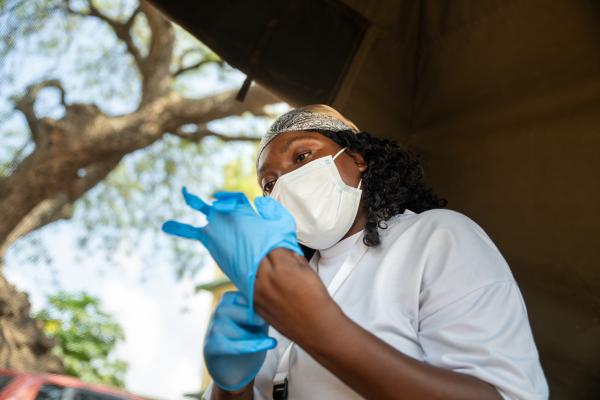
A simple, three-part package combining screening, preventive treatment and community adherence support significantly cuts deaths among people starting HIV treatment with advanced disease.

Eurartesim® is a fixed-dose artemisinin-based combination therapy (ACT) containing dihydroartemisinin-piperaquine (DHAPQ) for the treatment of uncomplicated malaria.
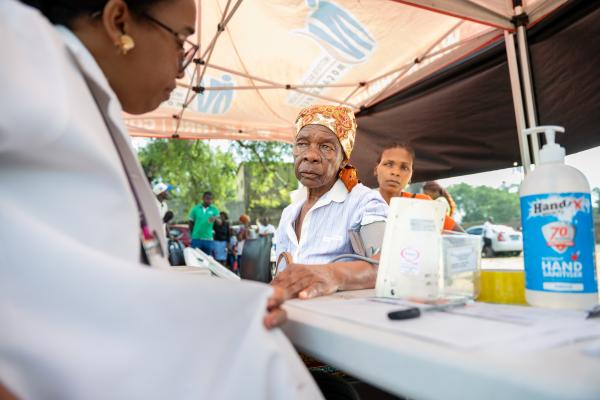
Molbio Truenat, with MTB-Plus and RIF-Dx assays, is a portable, battery-powered molecular diagnostic tool for tuberculosis (TB) testing directly in primary health care settings.
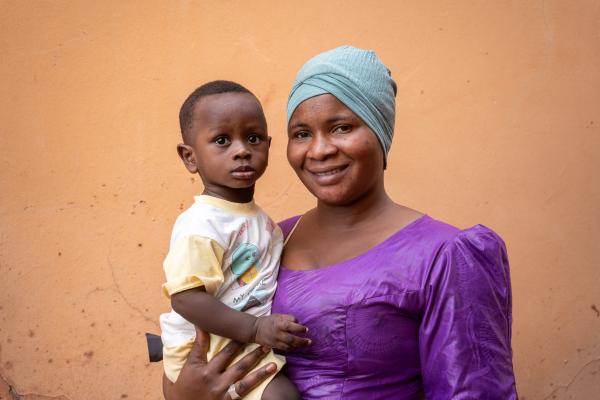
Pyramax® is an established antimalarial medicine whose safety and efficacy have been progressively expanded through EDCTP-supported research to reach more patient groups who lack specific treatment options, including children, pregnant women and patients requiring re-treatment.
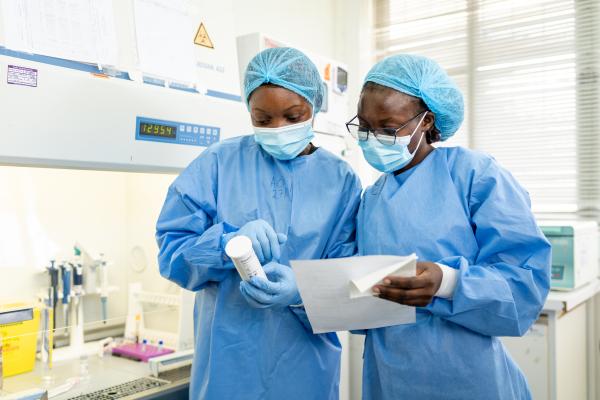
The PredART trial showed that prednisone, a common and inexpensive steroid drug used to treat Tuberculosis-Associated Immune Reconstitution Inflammatory Syndrome (TB-IRIS), can also be used to prevent it.
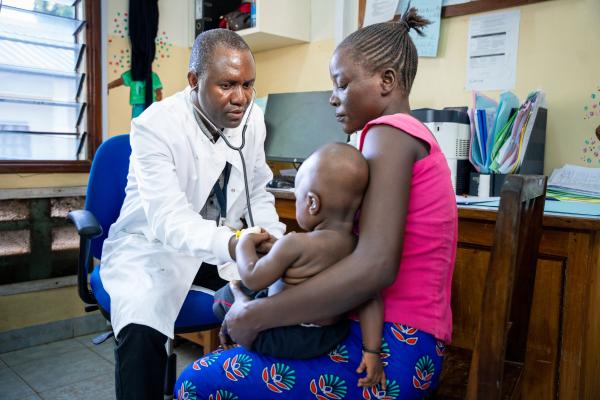
A three-drug antiretroviral regimen given to HIV-positive women in late pregnancy and through breastfeeding cuts HIV transmission to babies safely, without requiring mothers to stop breastfeeding.

Moxidectin is an oral medicine for onchocerciasis, also known as river blindness. It was first approved by the US FDA in 2018 for people aged 12 and older. Research co-funded through EDCTP2 and continued under Global Health EDCTP3 has since extended its use to children as young as four.
Our added value for Europe

EDCTP boosts Europe’s competitiveness by advancing research excellence, innovation, and public–private cooperation in global health. By supporting late-stage development and Africa–Europe partnerships, it bridges the EU innovation gap and creates new market and investment opportunities.

EDCTP strengthens Europe’s health security by tackling climate-sensitive diseases and antimicrobial resistance, enhancing surveillance, and accelerating medical countermeasures. Its rapid crisis responses, from Ebola to COVID-19, show its agility in protecting Europe and global health.

EDCTP drives Europe’s science diplomacy through fair Africa–Europe partnerships that tackle global health challenges. Its equitable governance and ethical research practices strengthen EU credibility and global influence.
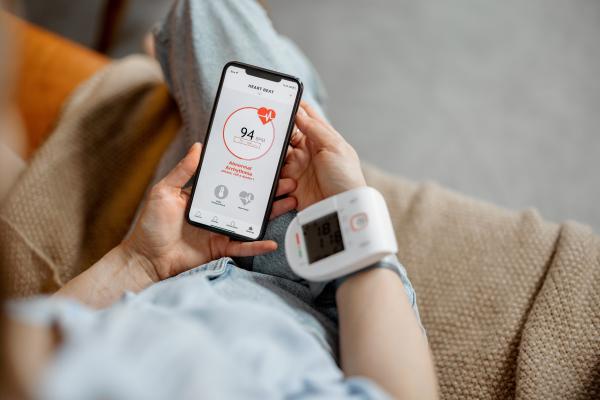
EDCTP strengthens Europe’s leadership in digital health by investing in AI, data, and digital technologies while training researchers in fields like bioinformatics and genomic epidemiology.

EDCTP advances the EU’s human rights goals by promoting ethical, inclusive research that addresses unmet medical needs. It ensures innovations reach vulnerable populations while strengthening local scientific and health systems.
Our added value for Africa

EDCTP improves health and prosperity in Africa by funding clinical research, strengthening local capacities, and empowering African scientists. Its investments reduce the burden of infectious diseases, boost productivity, and support sustainable development across the continent.
EDCTP builds Africa’s capacity to detect, prevent, and respond to outbreaks through training, research, and strong partnerships. Its work accelerates vaccine and diagnostic development and reinforces the continent’s health resilience.

EDCTP strengthens Africa’s clinical research ecosystem by investing in skills, infrastructure, and regulatory systems. Initiatives like CTCAN and PACTR connect researchers and regulators, expanding quality trials and fostering local leadership.

EDCTP strengthens Africa-led health partnerships with organisations like Africa CDC and WHO AFRO, aligning research and investment with continental priorities. As an AU–EU Innovation Agenda partner, it builds skills, fosters co-investment, and drives sustainable cooperation.
EDCTP promotes health equity by developing practical solutions for underserved communities, including newborns and children, women, urban poor and rural communities. It funds accessible technologies and digital tools that expand healthcare reach and improve outcomes for those most in need.