This page lists tools, platforms and networks you can access and use today. They were established with EDCTP funding and continue to operate independently, providing practical support for clinical research, ethics, regulatory processes, and professional development across sub-Saharan Africa.
Connect and learn
Whether you are early in your career or an established researcher, these platforms help you connect with peers, share data, and stay up to date with the latest in global health research.
If you have received EDCTP support, as a fellow, trainee, or project participant, you are part of a growing international network of researchers working on infectious diseases in sub-Saharan Africa. The Alumni Network helps you stay connected, collaborate across borders, access professional...
The EDCTP Knowledge Hub is your central access point for research data, project results, and health information from across the EDCTP portfolio. Use it to find outputs from funded studies, explore datasets relevant to your work, and connect your own research findings to a wider African and European...
A free online matchmaking tool that helps you find collaborators and build consortia for our open calls for proposals. Create a profile, showcase your expertise, browse participants, and book one-to-one virtual meetings with potential partners.
Networks of excellence
EDCTP supports networks of excellence that connect institutions, share capacity, and coordinate research in your region and are open to new members and collaborators. The networks are built on decades of collaboration and aim to expand the capacity for clinical research and outbreak response.
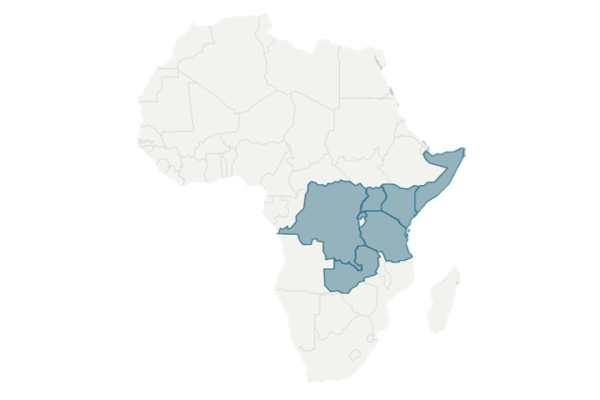
Building on 15 years of work by the East African Consortium for Clinical Research (EACCR), this network is expanding to 23 institutions across 13 countries, bringing in less-resourced systems such as the DRC, Somalia, and Zambia, and training the region's next research leaders.
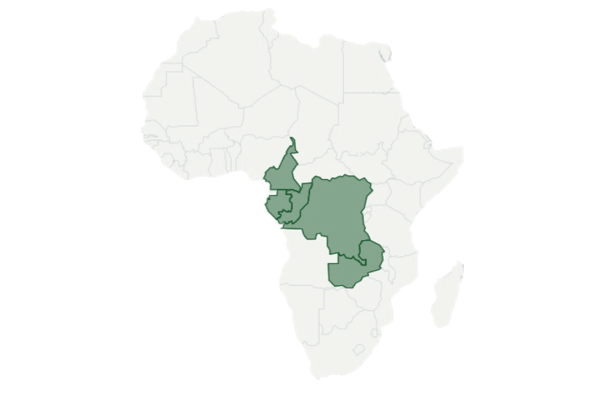
The PRESERVE network is building pandemic preparedness in Central Africa through a One Health approach, upgrading laboratories and diagnostics and enabling clinical trials to launch rapidly when outbreaks are detected.
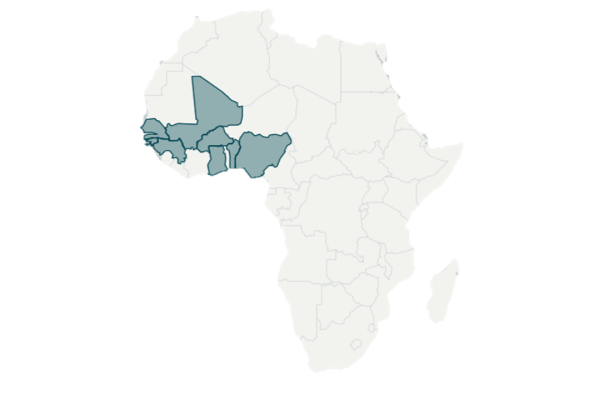
Building on three rounds of EDCTP funding to the West Africa Network of Excellence for Clinical Trials in TB, AIDS and Malaria (WANETAM), this network now spans 12 sub-Saharan African countries. It is upgrading less-resourced sites, training the next generation of African research leaders, and...
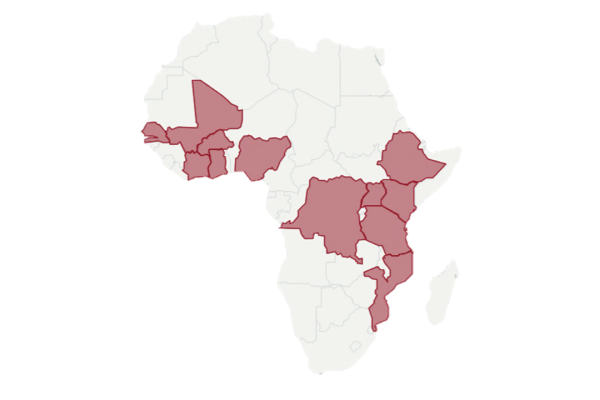
SINCEP-Africa draws on the INDEPTH Network of community-based sites to create trial-ready locations across sub-Saharan Africa, strengthening surveillance and data systems and securing pre-approved protocols for rapid outbreak research.
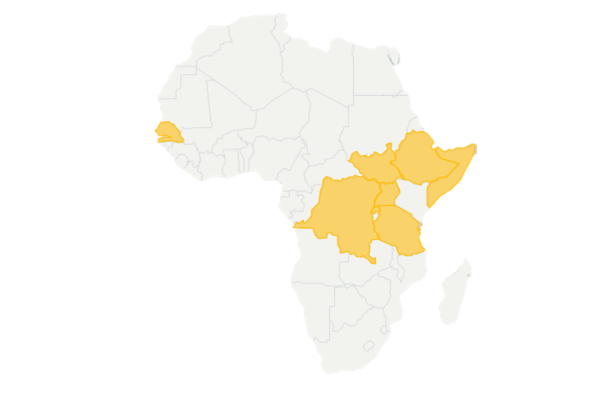
ACT-PREP strengthens capacity to run clinical trials during outbreaks across sub-Saharan Africa, training a deployable workforce and streamlining regulatory and ethics review so studies can start quickly.
Clinical research infrastructure
These tools help you register your study, search for ongoing and completed trials across Africa, and understand the regulatory and ethics landscape in your country.
Register your clinical trial in the Pan African Clinical Trials Registry, Africa's first WHO-recognised Primary Registry. Registration makes your study visible to the global research community, demonstrates transparency, and is a requirement for publication in many peer-reviewed journals. The...
Ethics in research
If your work involves partnerships with European institutions or communities in low-resource settings, these frameworks will help you design equitable, ethical research.
The TRUST Code is a code of conduct for equitable research partnerships between institutions in high-income and low- or middle-income countries. Use it to ensure your research collaborations are fair, transparent, and locally led. It helps you avoid common pitfalls such as one-sided data ownership...
The PREPARED Code provides an ethical framework specifically for research conducted during health crises and outbreaks. If you work in epidemic response or emergency settings, this code gives you clear guidance on how to maintain ethical standards under time pressure, including community consent...