
By José Miguel Rubio, Maite Suárez, Nuria Casamitjana and Quique Bassat.
Global health is going through a delicate moment. Despite the COVID-19 pandemic, recent outbreaks of H5N1 avian influenza and Mpox, the increasingly tangible effects of the climate crisis on the epidemiology of certain infectious diseases, and the growing threat of antimicrobial resistance, international collaboration in research, prevention and response to health crises is under threat.
The global geopolitical situation and the consequent unprecedented cuts to international health funding are threatening decades of progress in the fight against epidemics and infectious diseases. In the context of widespread funding cuts, Development Assistance for Health (DAH) decreased by 21% between 2024 and 2025, dropping from $49.6 billion to $39.1 billion, the lowest level in more than 15 years, and is expected to decline further towards 2030.
This decline is explained by the drastic decisions some countries have taken recently. The United States reduced its contribution to global health cooperation by more than $9 billion in 2025, a cut of 67%. Other countries, such as the United Kingdom (-39%), France (-33%) and Germany (-12%), also substantially reduced their funding, affecting key programmes in the fight against diseases such as HIV, malaria, tuberculosis, universal primary care and highly successful childhood immunisation programmes. These cuts could result in more than 22 million additional deaths before 2030 and increase the likelihood of new epidemics and pandemics in a highly globalised world, where health security depends on effective and timely collaboration between countries and the robustness of the most fragile health systems.
These threats compound persistent inequalities. More than a quarter of the world’s population faces serious financial difficulties due to the cost of healthcare, and more than half lack access to basic health services.
Against this backdrop of growing risks and shrinking resources, Spain will play a key role in the debate and generation of new ideas on global health. It does so at a moment of bold and determined commitment by our country to multilateralism, following the 4th International Conference on Financing for Development held in Seville in July 2025, where progress was made on rethinking the new architecture and governance of development cooperation.
In 2027, Madrid, Zaragoza and Barcelona will host three of the leading international forums on research, prevention and the fight against infectious diseases. The shared objective will be to define alliances and priorities in public health and biomedical research, as well as in international cooperation, to address the health challenges of the coming decade with innovation, solidarity and social justice, leaving no one behind.
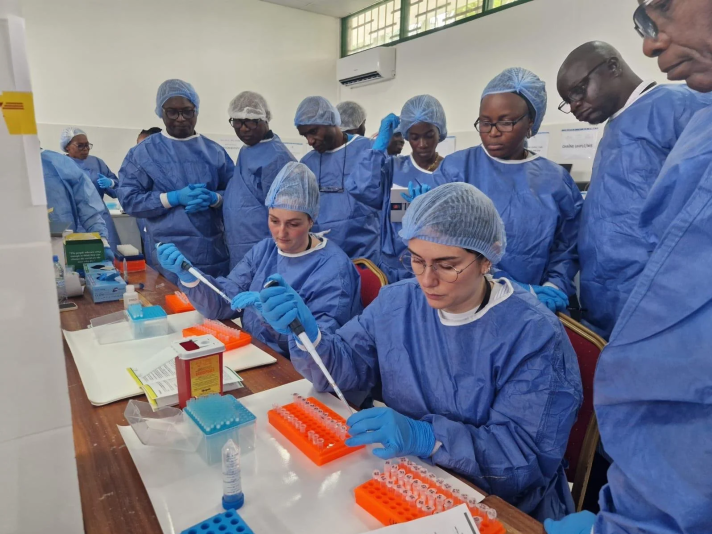
13th EDCTP Forum on infectious diseases
One of the central milestones will be the EDCTP Forum 2027, which will hold its 13th edition from 5-9 April 2027 in Madrid. The event will be hosted by the Instituto de Salud Carlos III (ISCIII) and the Fundación CSAI, and is expected to welcome 1,500 experts from more than 60 countries, including researchers, governments, industry representatives, and other public and private stakeholders. Over more than two decades, this biennial forum has established itself as an international conference in clinical research and the development of health technologies, bringing together leading experts and figures in scientific cooperation between Africa and Europe in the fight against infectious diseases.
The World Health Organisation (WHO) reports that in 2024 the African region accounted for 95% of all malaria cases, and half a million children die every year on the continent from the disease. The United Nations also estimates that more than half of the 40.8 million people living with HIV reside in Africa. Added to this are recurrent outbreaks of diarrhoeal diseases and epidemics such as Mpox and Ebola, as well as the effects of global warming on the proliferation of mosquitoes and other vectors of infectious diseases, a growing problem for Europe as well.
The European & Developing Countries Clinical Trials Partnership (EDCTP), now under its third programme, Global Health EDCTP3, has spent two decades tackling these challenges, driving the development of medicines, strengthening scientific capacities and building partnerships between Europe and Africa. This initiative, involving the European Union and 49 countries - 16 from Europe, including Spain, and 33 from sub-Saharan Africa - has contributed to historic milestones such as the development of the first malaria vaccines and the establishment of scientific collaboration networks between both continents for epidemic preparedness and response.
As a founding member of this partnership, Spain has played an active role both in participating in research projects and clinical trials and in promoting scientific cooperation for better preparedness in the face of health crises. Spanish institutions also maintain a firm commitment to strengthening scientific and medical capacities in Europe and Africa, and have taken on significant responsibilities in the decision-making and coordination structures of Global Health EDCTP3, with ISCIII forming part of its governance.
'The holding of the EDCTP Forum 2027 in Madrid, led by ISCIII, consolidates Spain as a benchmark in global health research. This edition will be a key opportunity to showcase our country’s scientific and international leadership, and will allow us to forge new alliances, foster collaboration between institutions and reinforce the role of ISCIII as a hub connecting research, public policy and international cooperation.'
Daniel Ruiz Iruela, Deputy Director for International Research Programmes and Institutional Relations, Carlos III Health Institute (ISCIII).
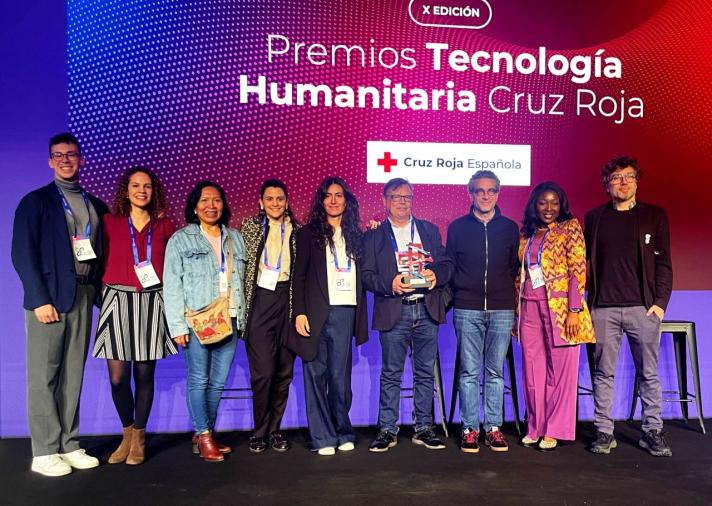
8th Global Forum on TB vaccines
Just a week later, from 12-14 April 2027, Zaragoza will host the eighth edition of the Global Forum on TB Vaccines, the world’s largest gathering dedicated to research, development and implementation of tuberculosis vaccines. Convened by the Working Group on New TB Vaccines (WGNV) in collaboration with the Tuberculosis Vaccine Initiative (TBVI), the International AIDS Vaccine Initiative (IAVI) and the University of Zaragoza, and with the support of the Spanish Ministry of Health, the forum marks the return of this event to Europe and will be the first time it has been held in a Spanish-speaking country. Over 400 experts from 35 countries are expected to attend, including researchers, companies, authorities and representatives of affected communities.
Tuberculosis has once again become the leading cause of death from infectious disease, and the United Nations General Assembly has recognised multidrug-resistant tuberculosis as one of the major challenges in the fight against antimicrobial resistance. The development of new vaccines capable of protecting adults and adolescents, the population most affected, is essential to combat this global epidemic. With several candidates in advanced stages of development, the possibility of having new preventive vaccines available this decade is closer than ever.
Europe has funded around half of the TB vaccines currently in development, and Spain is playing a leading role in the development of one of the most advanced and promising candidates, MTBVAC. This forum will be a pivotal moment to reinforce the political and financial commitment to the development and equitable global access to these new vaccines, and to translate decades of effort into tangible benefits for the population.
'The Global Forum on TB Vaccines, born of more than 25 years of international collaboration, has established itself as a unique space for scientific exchange and strategic dialogue among all stakeholders. At a moment when, for the first time in more than a century, the approval of new tuberculosis vaccines in the coming years is a real possibility, holding the forum in Spain, a country that plays a key role in their scientific and industrial development, represents a milestone and a unique opportunity to reinforce the global efforts needed to ensure their development and guarantee their future distribution to those who need them most.'
Carlos Martínez, Professor of Microbiology at the Faculty of Medicine, University of Zaragoza, and Director of the Mycobacteria Genetics Group.
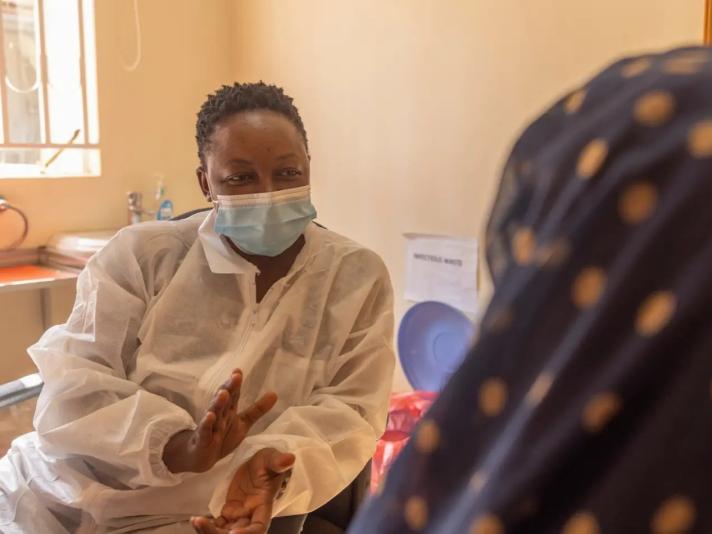
15th European Congress on Tropical Medicine and International Health (ECTMIH 2027)
The third major milestone of 2027 will take place in Barcelona from 25-28 October, which will host the 15th European Congress on Tropical Medicine and International Health (ECTMIH), under the theme ‘Refocusing on Global Health’. Organised by the Barcelona Institute for Global Health (ISGlobal), in collaboration with the Federación Europea de Sociedades de Medicina Tropical y Salud Internacional (FESTMIH) and the Sociedad Española de Medicina Tropical y Salud Internacional (SEMTSI), the congress will address the most urgent challenges in tropical medicine and global health.
As one of the main European scientific forums in this field, this edition of ECTMIH will place particular emphasis on analysing the role Europe must play in the new global health architecture currently taking shape. Discussions will cover ways to strengthen cross-border and international collaboration on infectious diseases, and the need to adopt a One Health approach, integrating human, animal and planetary health, to improve epidemic prevention strategies and interventions.
In line with global epidemiological trends, the forum will also focus on the evolution of non-communicable diseases and the strengthening of health systems, integrating biomedical research, public health and international cooperation.
'In 2027, Barcelona will once again host, sixteen years on, the leading European scientific forum on global health. At a time of widespread uncertainty, with poverty-related infectious diseases on the rise and their funding clearly deprioritised, it is time to bring back to the table the principle that the right to health is a universal right, and that from our privileged European position we must remember that the bulk of preventable infections with high disease burden and mortality continue to disproportionately affect the most vulnerable populations on our planet.'
Marco Albonico, President of the Federation of European Societies of Tropical Medicine and International Health (FESTMIH).
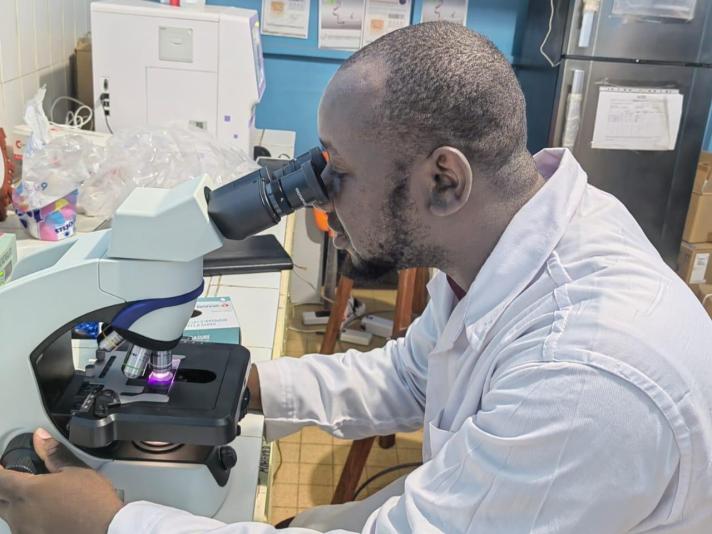
2027: The year that could define global health
Over the past two decades, the world has witnessed extraordinary progress in global health. Child mortality has been reduced by more than half, and deaths from AIDS by 70%. The first malaria vaccines are already protecting millions of children, and future tuberculosis vaccines are expected to play a key role in combating the disease and antimicrobial resistance.
At the three forums, we will discuss all of these achievements, but also the grave current crisis that threatens to undo this progress, set us back to a reality we thought we had left behind, and exposes us to the continued spread of existing epidemics and future health crises. Although the effects and scale of the cuts are already evident, they are still reversible.
To this end, it will be essential for Europe to take on a more active and leading role in global health, and one key way to reflect this will be through the European Union’s 2028-2034 budget by renewing programmes such as Global Health EDCTP3 and firmly anchoring global health within European strategies for research and innovation and international cooperation.
Global health is today, more than ever, a fundamental pillar for the security and prosperity of Europe, reflecting our values and commitments to open and responsible science, multilateralism and human rights. With Spain’s leadership, we hope that Europe will renew and reinforce its commitment to global health in 2027, so that we may look to the future with the hope of continuing the extraordinary advances achieved, protecting the life and health of all, leaving no one behind.
Authors
José Miguel Rubio. Director of the National Centre for Microbiology (CNM-ISCIII).
Maite Suárez. Director of Policy Advocacy in Europe at the International AIDS Vaccine Initiative (IAVI).
Nuria Casamitjana. Director of Education and Training at the Barcelona Institute for Global Health (ISGlobal) and Professor at the University of Barcelona.
Quique Bassat. Director General of the Barcelona Institute for Global Health (ISGlobal).
- Publication date
- 9 July 2026
- Author
- Global Health EDCTP3 Joint Undertaking