

A new tuberculosis vaccine candidate, an innovative treatment for pregnant women living with HIV, a new treatment strategy for severe malaria in children, a promising treatment against multiple different parasitic worm infections, and awareness-raising about female genital schistosomiasis. These are only a few of the health innovations being supported by Global Health EDCTP3, a partnership between the European Union and African and European countries.
With 159 projects, €722 million in funding, and 513 participating organisations from 69 countries by September 2026, Global Health EDCTP3 is advancing collaborative research to address infectious diseases, strengthen research capacity, and contribute to health security in sub-Saharan Africa and globally.
Launched in 2022, the third phase of the Africa-Europe partnership brings together scientists, research institutions, communities and partners across Africa and Europe to develop solutions to pressing health challenges. Meet five researchers behind some of these projects and discover how their work is helping to advance global health.
Eliana Pombo, MTBVAC-AVANTE

Coordinator and Commercial and Market Access Lead, Biofabri SL, Spain
'BCG has been the only TB vaccine for over a century, and it has real limitations. It does not protect adolescents and adults from progressing to active disease, and yet this group is the main driver of TB transmission in the community. That is the gap MTBVAC is designed to fill. That gap has cost countless lives, and closing it is one of the most important goals in global health.'
Catherine Orrell, DOLPHIN-3
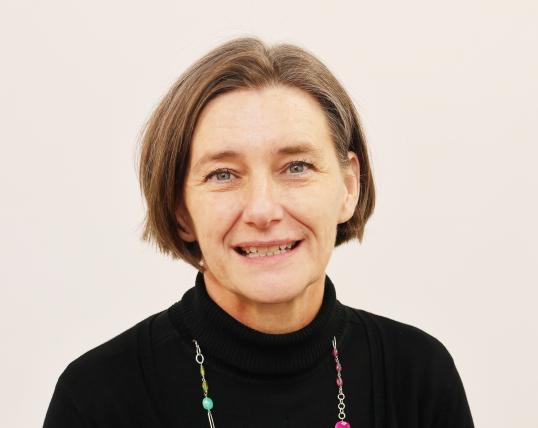
Unit Director, HIV and other Infectious Diseases Research Unit (HIDRU), South African Medical Research Council, South Africa
'Many women living with HIV find it hard to manage daily oral antiretroviral therapy (ART) tablet taking in the challenging period after childbirth, increasing the risk of HIV transmission to their babies. A long-acting injectable treatment could make it much easier for them to keep their HIV viral load under control, safeguarding both their own health and their babies’ well-being.'
Marc Hübner, eWHORM

Professor, Institute for Medical Microbiology, Immunology and Parasitology, University Hospital Bonn, Germany
'Worm infections affect around 1.5 billion people worldwide, making them one of the most widespread and persistent global health issues. Action is needed now! The eWHORM project has established trial infrastructure in endemic countries to test Oxfendazole, a single drug candidate targeting multiple worm infections. This initiative represents an important step toward a healthier future, free from the burden of neglected tropical diseases.'
Rella Manego Zoleko, FACT
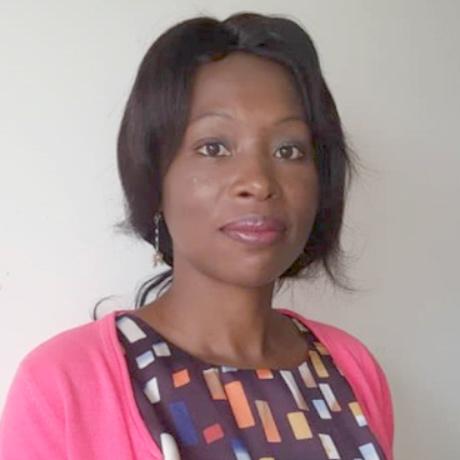
Clinical Research Leader and Clinician Investigator, Centre de Recherches Medicales de Lambaréné, Gabon
'When a child arrives at a hospital with a critical clinical presentation, making the right call quickly can be the difference between life and death. But here is the problem: around a third of children treated for severe malaria are actually misdiagnosed, and the real cause is a bacterial bloodstream infection. A positive malaria test does not rule that out, because malaria is so common that a child can have parasites in their blood and still be dying of something else. The FACT project is designed to close that gap.'
Professor Margaret Gyapong, WINGS-4-FGS

Scientific Lead of WINGS-4-FGS, University of Health Allied Sciences (UHAS), Ghana
'Female genital schistosomiasis (FGS) affects millions of women, yet most have never heard of it. Too often, symptoms are mistaken for sexually transmitted infections, leading to stigma and the wrong treatment. Because it’s poorly recognised, women suffer in silence and miss out on care that could help them.'
A diverse portfolio addressing global health priorities
Global Health EDCTP3 supports research across all priority disease areas identified in its Strategic Research and Innovation Agenda. Its largest funding allocations support research on malaria, emerging and re-emerging infectious diseases, neglected infectious diseases, tuberculosis and HIV.
The portfolio comprises 119 Research and Innovation Action (RIA) projects, with a total budget of €611 million. These projects support clinical trials and other clinical research activities to generate evidence and advance the development of health interventions.
A further 40 Coordination and Support Action (CSA) projects, with a total budget of €111 million, strengthen research networks, foster coordination and build institutional capacity. Together, these activities help create the conditions for sustainable clinical research and stronger research ecosystems.
Mobilising research to respond to emerging health threats
Alongside its long-term research priorities, Global Health EDCTP3 can also swiftly mobilise funding to address urgent public health challenges.
Recent outbreaks across the African continent, including mpox in 2024 and the ongoing Ebola Bundibugyo outbreak, have underlined the importance of research in strengthening epidemic preparedness and informing public health responses. Through 13 emergency response action projects, Global Health EDCTP3 has mobilised support for research addressing such threats.
These projects help strengthen the capacity to detect, understand and respond to outbreaks, while generating evidence to inform preparedness and response efforts and help countries better anticipate future health emergencies.
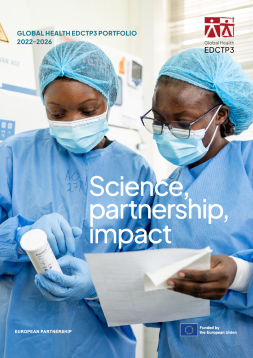
Would you like to know more about Global Health EDCTP3's projects?
Check our project portfolio
- Publication date
- 12 November 2026
- Author
- Global Health EDCTP3 Joint Undertaking