
What it is
Combining a boosted protease inhibitor (bPI) with two different nucleoside reverse-transcriptase inhibitors (NRTIs), a class of HIV medicines, can provide effective second-line treatment when a patient’s first-line treatment stops controlling the virus. The EDCTP-funded EARNEST and 2LADY trials showed that switching to different NRTIs within the same drug class could achieve good treatment outcomes without necessarily replacing the regimens with newer types of drugs.
Why it matters
Access to effective second-line HIV treatment remains a challenge in resource-limited settings, where newer and innovative medicines can be more expensive and harder to provide at larger scale. EARNEST and 2LADY generated evidence showing that established treatment approaches could remain effective when medicines were appropriately selected and combined.
The story
When a person’s first HIV treatment stops controlling the virus, they need a different combination of medicines. In 2009, the World Health Organization (WHO) recommended combining two antiretrovirals from the nucleoside reverse-transcriptase inhibitors (NRTIs) class, with a boosted protease inhibitor (bPI) for patients whose first-line treatment had failed. Rather than simply reusing the same medicines, this approach involved switching to different NRTIs and adding a bPI. However, more evidence was needed from African patients to understand how well this strategy worked, particularly when the virus had developed resistance to medicines used previously [1].
That same year, EDCTP funded the EARNEST and 2LADY clinical trials to generate evidence on the recommended treatment combinations in people living with HIV in Africa switching to second line treatment. EARNEST received €4.3 million and enrolled 1,277 adults and adolescents in Kenya, Malawi, Uganda, Zambia and Zimbabwe, while 2LADY received €1.1 million and enrolled 454 adults in Burkina Faso, Cameroon and Senegal [2].
EARNEST compared a treatment combining a bPI with different NRTIs against one combining a bPI with raltegravir, a medicine from a different class. At 96 weeks, 86% of participants in both groups had achieved viral suppression, meaning the amount of HIV in their blood had fallen to a low level. By contrast, treatment relying on the bPI alone was less effective, with only 61% reaching viral supression. The results showed no advantage to replacing the NRTIs with raltegravir in the tested combination [3].
Longer-term follow-up of EARNEST confirmed the findings. At week 144, 317 (of 367) participants (86%) receiving lopinavir, a boosted protease inhibitor, plus two or three NRTIs had viral loads below 400 copies/mL, compared with 312 (of 383) or (81%) receiving lopinavir plus raltegravir. The raltegravir combination offered no advantage and did not meet the study’s prespecified non-inferiority criterion. The findings supported a boosted protease inhibitor combined with NRTIs as the standardised second-line treatment for use in resource-limited settings [4].
A separate EARNEST analysis examined 198 participants whose resistance tests predicted that none of the NRTIs in their second-line treatment would be active against the virus. Despite this, 176 participants (89%) achieved viral suppression, with viral loads below 400 copies/mL at week 144. The findings showed that resistance tests did not reliably predict treatment outcomes and did not support routine resistance testing to select NRTIs for second-line treatment in low-income settings [5].
The 2LADY trial provided more evidence to guide the choice of drug combinations (NRTIs and bPI) for second-line treatment by testing three different combinations. The study showed that each of the three combinations achieved similar results in terms of viral suppression and there was no significant difference in side effects between the three combinations. The study also confirmed the WHO recommendation as a valid option [6].
Together, the two EDCTP-funded studies strengthened the evidence behind second-line HIV treatment and contributed to changes in treatment guidance. WHO included EARNEST and 2LADY in its 2016 review of second-line treatment,[7] and guidelines in different African countries subsequently reflected the finding that some classes of resistance-affected medicines could still be used [8]. WHO’s 2024 evidence review continued to include both studies among the evidence supporting the reuse, or recycling, of NRTIs in second and third-line treatment [9].
Global Health EDCTP3 is continuing this work through CHAPAS-5, a €6.59 million project running from 2025 to 2029 in Mozambique, Uganda and Zimbabwe. The project is investigating the best HIV treatment options for children and adolescents, including those whose current treatment is no longer controlling the virus, that are effective, easy to take, and widely accessible [10].
Affordable access
Newer HIV medicines are often more expensive and harder to provide in resource-limited settings, while second-line treatment costs about twice as much per year as first-line treatment, on average [11].
An economic analysis under the 2LADY project compared three treatment regimens in Burkina Faso, Cameroon and Senegal. It found that the WHO-recommended option provided similar health benefits at a significantly lower cost, saving from US$410 to US$721 per person over 24 months, depending on the country and alternative [11].
Sources:
[1] Antiretroviral therapy for HIV infection in adults and adolescents | WHO
[2] Tackling infectious disease in sub-Saharan Africa | EDCTP & EARNEST | UCL Innovative Clinical Trials Unit
[3] Paton, N. I., Kityo, C., Hoppe, A., Reid, A., Kambugu, A., Lugemwa, A., van Oosterhout, J. J., & EARNEST Trial Team. (2014). Assessment of second-line antiretroviral regimens for HIV therapy in Africa. New England Journal of Medicine, 371(3), 234–247.
[4] Hakim J, Thompson J, Kityo C et al. (2017). Lopinavir plus nucleoside reverse-transcriptase inhibitors, lopinavir plus raltegravir, or lopinavir monotherapy for second-line treatment of HIV (EARNEST): 144-week follow-up results from a randomised controlled trial. The Lancet Infectious Diseases, 18, 47-57.
[5] Paton, N. I., Kityo, C., Thompson, J., Nankya, I., Bagenda, L., Hoppe, A., Hakim, J., Kambugu, A., van Oosterhout, J. J., Kiconco, M., Bertagnolio, S., Easterbrook, P. J., Mugyenyi, P., Walker, A. S., & EARNEST Trial Team. (2017). Nucleoside reverse-transcriptase inhibitor cross-resistance and outcomes from second-line antiretroviral therapy in the public health approach: An observational analysis within the randomised, open-label, EARNEST trial. The Lancet HIV, 4(7), e320–e328.
[6] Ciaffi, L., Koulla-Shiro, S., Sawadogo, A., Le Moing, V., Eymard-Duvernay, S., Izard, S., Kouanfack, C., Ngom Gueye, N. F., Aghokeng Fobang, A., Reynes, J., Calmy, A., & Delaporte, E. (2015). Efficacy and safety of three second-line antiretroviral regimens in HIV-infected patients in Africa. AIDS, 29(12), 1473-1481.
[8] Adult antiretroviral therapy guidelines 2017. | Southern African Journal of HIV Medicine
[9] Optimization of second-line and third-line antiretroviral therapy for people living with HIV. | WHO
[10] CHAPAS-5 project | Global Health EDCTP3
[11] Boyer, S., Nishimwe, M. L., Sagaon-Teyssier, L., March, L., Koulla-Shiro, S., Bousmah, M.-Q., Toby, R., Mpoudi-Etame, M. P., Ngom Gueye, N. F., Sawadogo, A., Kouanfack, C., Ciaffi, L., Spire, B., Delaporte, E., & 2-LADY Group. (2019). Cost-effectiveness of three alternative boosted protease inhibitor-based second-line regimens in HIV-infected patients in West and Central Africa. Pharmacoeconomics, 37(9), 1177-1190.


Related links
New and better medical solutions already saving and improving lives
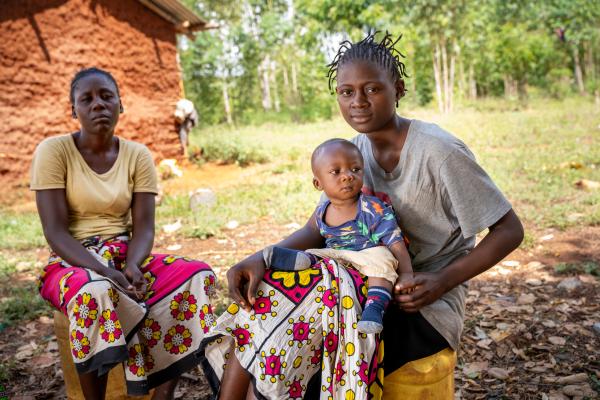
RTS,S and R21/Matrix-M are the first vaccines against malaria and, more broadly, against any parasitic disease. Both vaccines stimulate an immune response that prevents malaria infection.
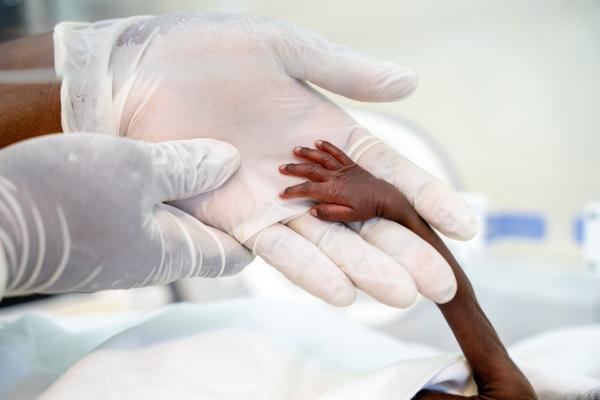
Coartem® Baby is the first approved malaria treatment specifically designed for newborns and young infants weighing 2 to less than 5 kg. It is a dissolvable tablet that can be mixed with breast milk, has a sweet cherry flavour to make administration easier, and delivers precise dosing.
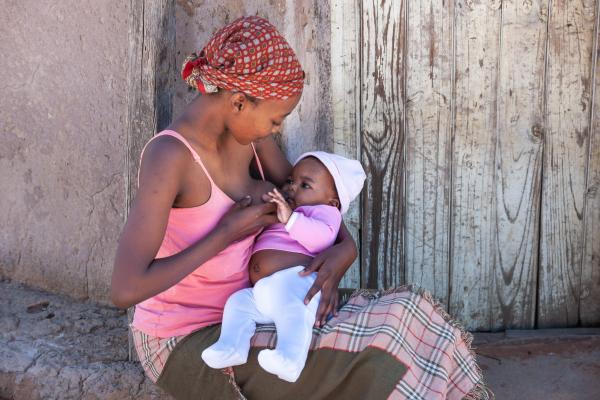
Triomune Baby/Junior became the first fixed-dose combination medicine developed specifically for children with HIV and paved the way for additional improved combination therapies for first- and second-line HIV treatment in children.

This new fixed-dose combination therapy of albendazole/ivermectin targets five types of parasitic worms (four soil-transmitted helminth infections and lymphatic filariasis), which will significantly improve the efficiency and cost-effectiveness of large-scale interventions.

Arpraziquantel is the first child-friendly medicine in an oro-dispersible formulation to treat and cure schistosomiasis. It is easy to administer and adapted for rural and tropical settings, offering high efficacy with minimal side effects.

Fexinidazole Winthrop and Acoziborole Winthrop are two new oral treatments for human African trypanosomiasis (HAT), known as sleeping sickness. Fexinidazole is the first all-oral therapy, while Acoziborole is the first single-dose, one-day treatment for the most common form of the disease.
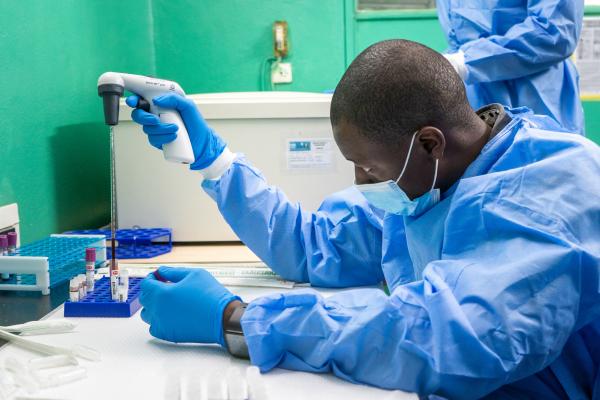
This new therapy, a single high-dose of liposomal Amphotericin B, is as effective as the traditional week-long regimen, easier to administer, and causes fewer side effects. It is now the WHO-recommended therapy for cryptococcal meningitis.
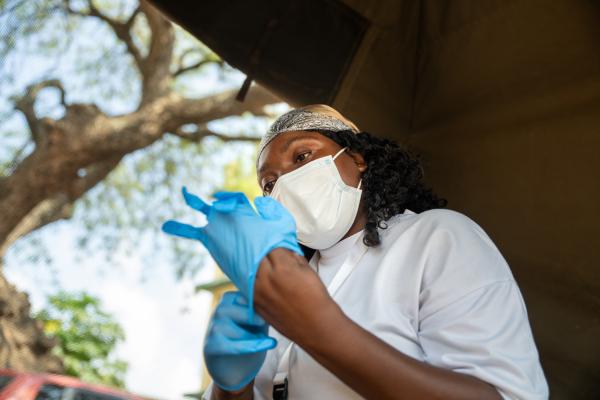
A simple, three-part package combining screening, preventive treatment and community adherence support significantly cuts deaths among people starting HIV treatment with advanced disease.

Eurartesim® is a fixed-dose artemisinin-based combination therapy (ACT) containing dihydroartemisinin-piperaquine (DHAPQ) for the treatment of uncomplicated malaria.
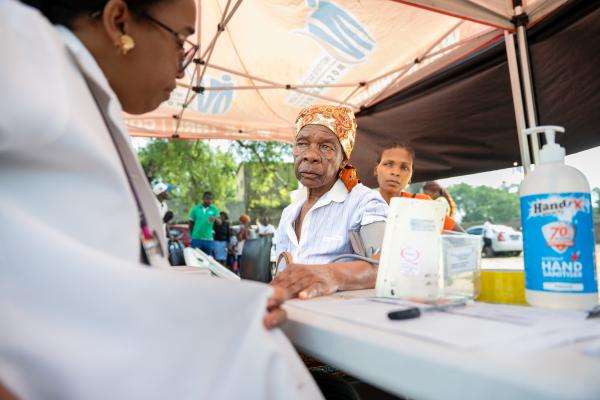
Molbio Truenat, with MTB-Plus and RIF-Dx assays, is a portable, battery-powered molecular diagnostic tool for tuberculosis (TB) testing directly in primary health care settings.
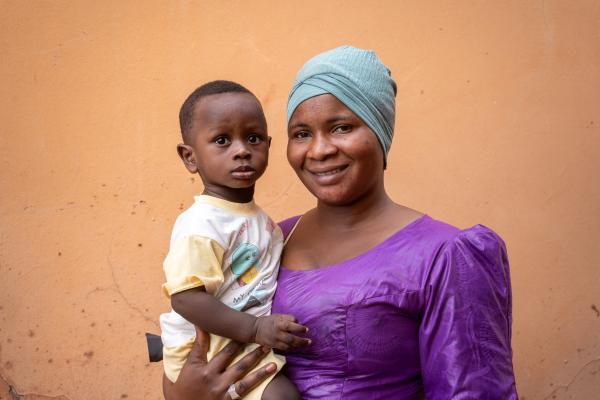
Pyramax® is an established antimalarial medicine whose safety and efficacy have been progressively expanded through EDCTP-supported research to reach more patient groups who lack specific treatment options, including children, pregnant women and patients requiring re-treatment.
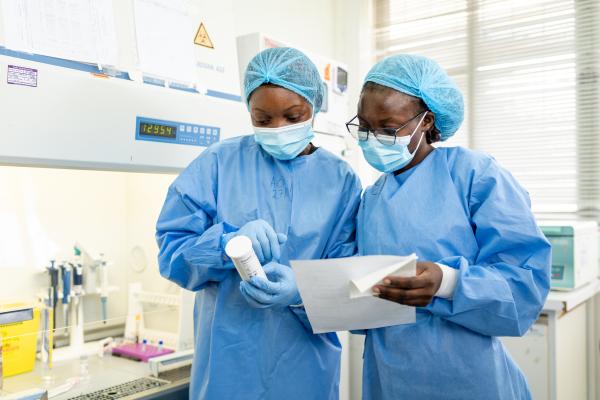
The PredART trial showed that prednisone, a common and inexpensive steroid drug used to treat Tuberculosis-Associated Immune Reconstitution Inflammatory Syndrome (TB-IRIS), can also be used to prevent it.
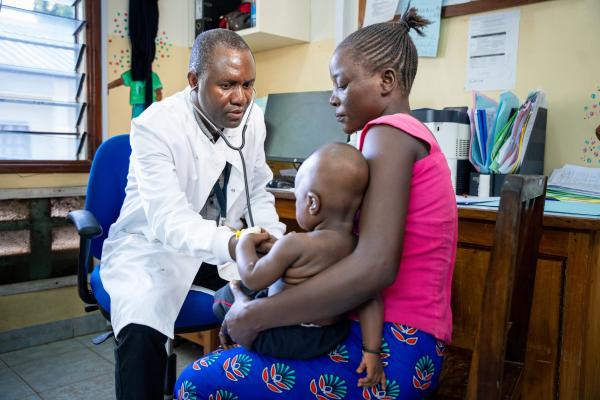
A three-drug antiretroviral regimen given to HIV-positive women in late pregnancy and through breastfeeding cuts HIV transmission to babies safely, without requiring mothers to stop breastfeeding.

Moxidectin is an oral medicine for onchocerciasis, also known as river blindness. It was first approved by the US FDA in 2018 for people aged 12 and older. Research co-funded through EDCTP2 and continued under Global Health EDCTP3 has since extended its use to children as young as four.
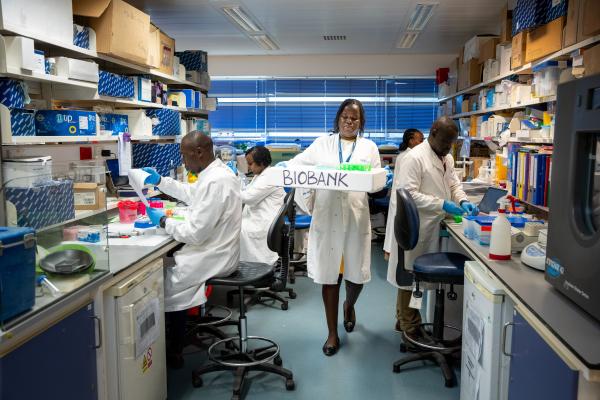
Combining a boosted protease inhibitor (bPI) with two different nucleoside reverse-transcriptase inhibitors (NRTIs), a class of HIV medicines, can provide effective second-line treatment when a patient’s first-line treatment stops controlling the virus.
Our added value for Europe

EDCTP boosts Europe’s competitiveness by advancing research excellence, innovation, and public–private cooperation in global health. By supporting late-stage development and Africa–Europe partnerships, it bridges the EU innovation gap and creates new market and investment opportunities.

EDCTP strengthens Europe’s health security by tackling climate-sensitive diseases and antimicrobial resistance, enhancing surveillance, and accelerating medical countermeasures. Its rapid crisis responses, from Ebola to COVID-19, show its agility in protecting Europe and global health.

EDCTP drives Europe’s science diplomacy through fair Africa–Europe partnerships that tackle global health challenges. Its equitable governance and ethical research practices strengthen EU credibility and global influence.
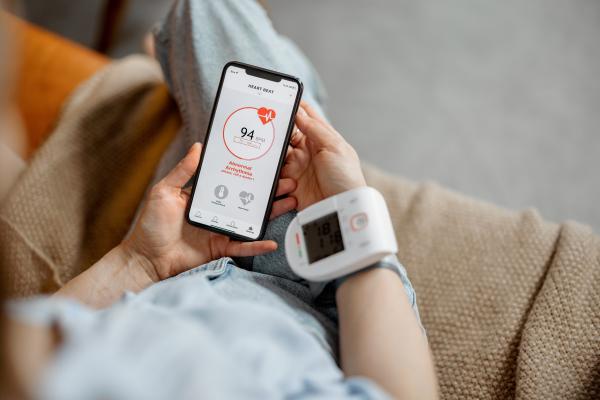
EDCTP strengthens Europe’s leadership in digital health by investing in AI, data, and digital technologies while training researchers in fields like bioinformatics and genomic epidemiology.

EDCTP advances the EU’s human rights goals by promoting ethical, inclusive research that addresses unmet medical needs. It ensures innovations reach vulnerable populations while strengthening local scientific and health systems.
Our added value for Africa

EDCTP improves health and prosperity in Africa by funding clinical research, strengthening local capacities, and empowering African scientists. Its investments reduce the burden of infectious diseases, boost productivity, and support sustainable development across the continent.
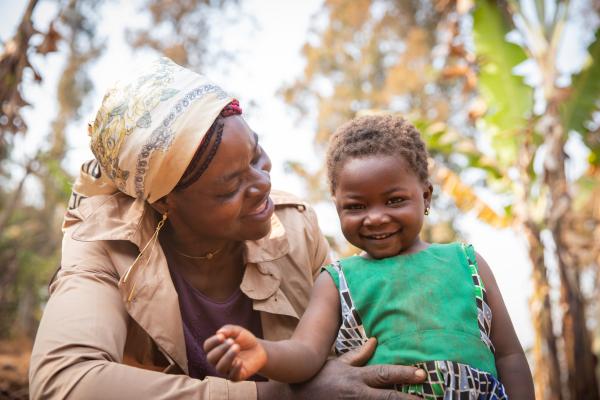
EDCTP builds Africa’s capacity to detect, prevent, and respond to outbreaks through training, research, and strong partnerships. Its work accelerates vaccine and diagnostic development and reinforces the continent’s health resilience.

EDCTP strengthens Africa’s clinical research ecosystem by investing in skills, infrastructure, and regulatory systems. Initiatives like CTCAN and PACTR connect researchers and regulators, expanding quality trials and fostering local leadership.

EDCTP strengthens Africa-led health partnerships with organisations like Africa CDC and WHO AFRO, aligning research and investment with continental priorities. As an AU–EU Innovation Agenda partner, it builds skills, fosters co-investment, and drives sustainable cooperation.
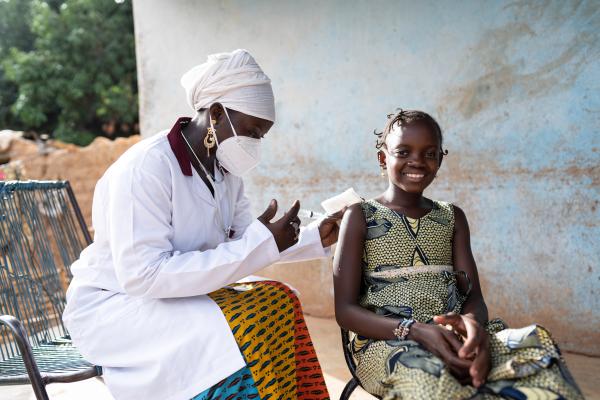
EDCTP promotes health equity by developing practical solutions for underserved communities, including newborns and children, women, urban poor and rural communities. It funds accessible technologies and digital tools that expand healthcare reach and improve outcomes for those most in need.